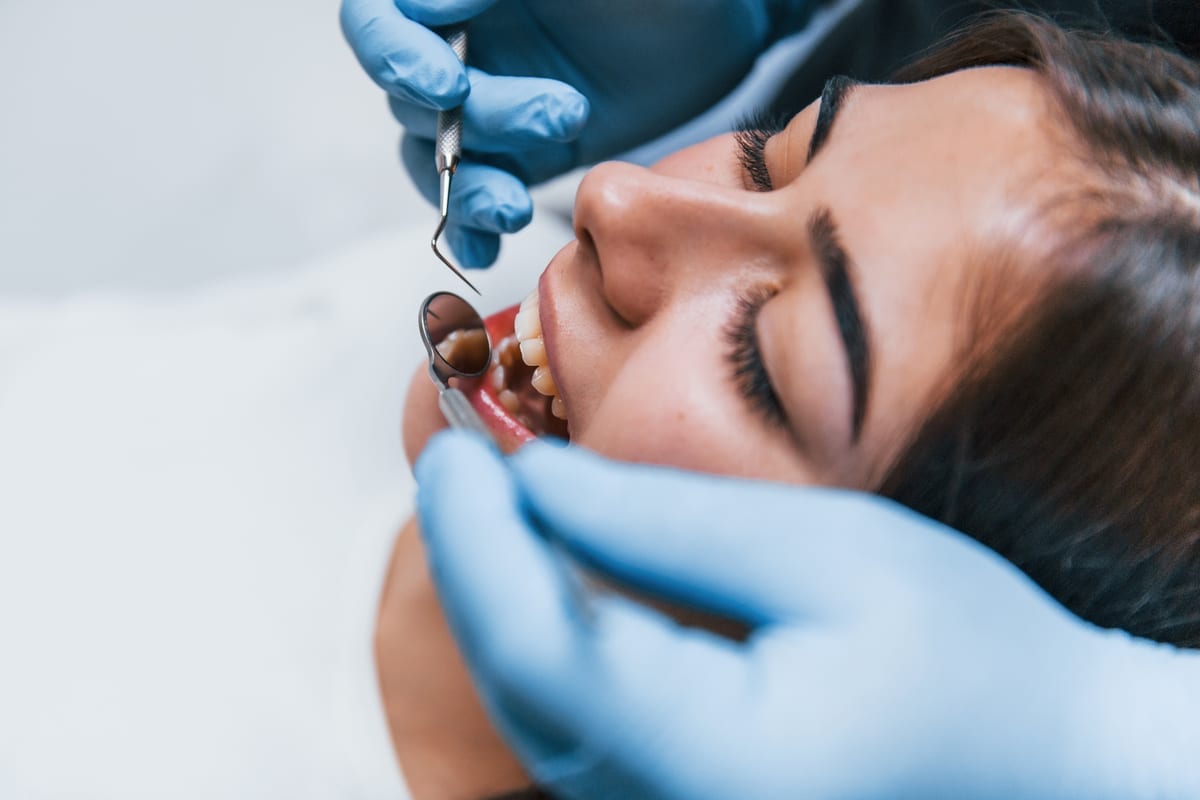


Teeth Whitening in Bethel Park, PA
Teeth whitening is one of the most requested cosmetic treatments we see at Pearl Dentistry of Bethel Park. But here’s the truth: it doesn’t work equally well for everyone. If you’ve ever wondered, will teeth whitening actually work for you in Bethel Park? — this article is your honest answer. Dr. Natalie Monaco helps patients understand their options before committing to any whitening treatment.
How Teeth Whitening Actually Works
Most whitening products use hydrogen peroxide or carbamide peroxide as the active ingredient. These bleaching agents penetrate the outer enamel layer of your teeth. They break apart the chemical bonds that cause discoloration. The result is a lighter, brighter shade — but only under the right conditions.
Professional whitening treatments use higher concentrations than over-the-counter products. That’s why in-office results are faster and more dramatic. However, the chemistry only works on natural tooth enamel. Any restorations or structural staining can limit or block the whitening effect entirely.
Understanding this distinction is the first step to realistic expectations. Whitening is a proven treatment — but it’s not a universal fix. Knowing your specific situation helps you choose the right path.
Who Gets the Best Whitening Results in Bethel Park
Patients with surface-level, extrinsic staining tend to see the most dramatic results. Extrinsic stains come from coffee, tea, red wine, and tobacco. These stains sit on or near the surface of your enamel. Whitening agents lift them effectively and relatively quickly.
Ideal whitening candidates typically share these characteristics:
- Healthy teeth and gums with no active decay
- Mostly natural teeth with few or no restorations
- Staining caused by food, drinks, or tobacco use
- No significant tooth sensitivity prior to treatment
- Realistic expectations about the final shade
Before any whitening treatment, Dr. Monaco recommends a Dental Exams And Teeth Cleaning appointment. A clean, healthy mouth responds better to whitening agents. It also ensures we catch any underlying issues before treatment begins.
Who May Not Respond Well to Teeth Whitening
Not every patient is a good candidate for whitening — and that’s important to know upfront. Several conditions can reduce or completely block the whitening effect. Being aware of these situations helps you avoid disappointment and wasted effort.
Here are common reasons whitening may not deliver expected results:
- Dental crowns, veneers, or bonding: These materials don’t respond to bleaching agents. If your front teeth include restorations, whitening won’t change their color.
- Intrinsic staining: Stains that form inside the tooth structure itself are much harder to treat with standard whitening.
- Tetracycline staining: This antibiotic taken during tooth development causes deep gray or brown bands inside the tooth. Whitening has very limited impact here.
- Fluorosis: Excess fluoride during development can cause white spots or brown patches. Whitening may worsen the uneven appearance.
- Translucent or thin enamel: Some teeth appear grayish or dark at the edges. Whitening can sometimes make this more noticeable.
Patients in these situations aren’t without options. Veneers or dental crowns may provide a better cosmetic outcome. Dr. Monaco will walk you through alternatives that match your specific needs.
Intrinsic vs. Extrinsic Stains: Why the Difference Matters
The type of stain you have is the single biggest factor in predicting whitening success. Extrinsic stains form on the outside surface of enamel. They respond well to peroxide-based whitening treatments. These are the cases where patients often see remarkable improvements.
Intrinsic stains are a different challenge entirely. They form within the dentin layer beneath the enamel. Causes include childhood antibiotic use, trauma to a tooth, or developmental conditions. Standard whitening agents often can’t penetrate deep enough to reach these stains.
Medication-induced staining is especially resistant to whitening. Tetracycline antibiotics, when taken during tooth development, bind directly to dentin crystals. The result is a deep discoloration that bleaching products can’t fully reverse. These patients often get better outcomes with porcelain veneers instead.
Knowing your stain type before you invest in whitening saves time and money. It also sets realistic goals from the start.
What to Expect When You Visit Pearl Dentistry of Bethel Park
At your whitening consultation, Dr. Monaco will examine your teeth thoroughly. She’ll identify the type and cause of your staining. She’ll also assess your enamel health and any existing dental work. This evaluation shapes the treatment plan that’s right for you specifically.
If you’re a strong candidate, professional whitening at our Bethel Park office offers significant advantages over store-bought kits. The concentration of whitening agent is carefully controlled. The treatment is customized to your bite and tooth sensitivity level. Results are typically faster and more even than DIY alternatives.
If whitening isn’t your best option, you’ll leave with a clear understanding of why. You’ll also have a personalized roadmap to the smile outcome you’re hoping for. That honesty is a core part of how we care for patients at Pearl Dentistry.
If you ever experience a dental concern that needs same-day attention, our Emergency Dentistry services are available to help when you need it most.
Frequently Asked Questions
Will teeth whitening work on veneers or crowns?
No. Whitening agents only work on natural tooth enamel. Porcelain veneers, dental crowns, and composite bonding materials do not respond to bleaching. If your visible teeth include restorations, whitening won’t change their shade. Talk to Dr. Monaco about cosmetic alternatives if this applies to you.
How long do professional whitening results last?
Results typically last between one and three years depending on your diet and habits. Coffee, tea, red wine, and tobacco accelerate re-staining. Touch-up treatments or at-home maintenance trays can help extend your results. Your dentist can recommend the best maintenance plan for your lifestyle.
Is teeth whitening safe for sensitive teeth?
Many patients with mild sensitivity can still whiten safely with the right approach. Dr. Monaco may recommend a lower-concentration treatment or a desensitizing protocol before starting. Pre-treatment fluoride applications can also reduce discomfort. Always disclose existing sensitivity during your consultation.
What causes intrinsic staining that whitening can’t fix?
Intrinsic staining forms inside the tooth structure rather than on the surface. Common causes include tetracycline antibiotic use during childhood, dental trauma, fluorosis, and certain developmental conditions. These stains sit within the dentin layer, making them resistant to standard bleaching agents. Veneers or bonding often produce better cosmetic results in these cases.
How do I know if I’m a good candidate for teeth whitening in Bethel Park?
The best way to find out is through a professional consultation. Dr. Monaco evaluates your stain type, enamel health, and any existing dental work to give you an honest assessment. Patients with extrinsic staining and healthy natural teeth tend to be the strongest candidates. A pre-whitening cleaning helps prepare your teeth for the best possible results.
Ready to find out if whitening is right for your smile? Book Now to schedule your appointment with our team.