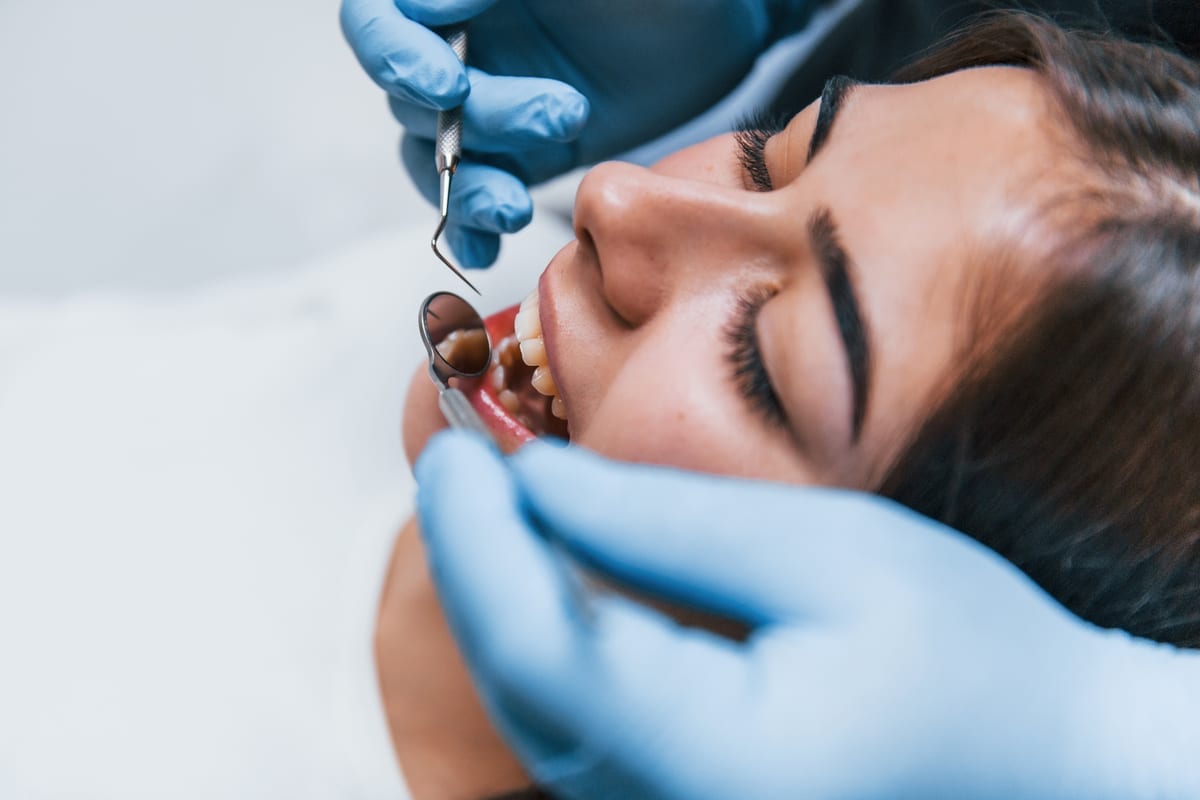


Teeth Cleanings in Castle Shannon, PA
If you’ve ever winced during a dental cleaning, you’re not alone. Many patients near Castle Shannon ask the same question: why do teeth cleanings hurt and how we stop it? The good news is that sensitivity during cleanings is common, manageable, and often preventable. At Pearl Dentistry of Bethel Park, Dr. Natalie Monaco and our hygiene team take this concern seriously every single day.
Understanding the source of that discomfort is the first step. Once you know what’s causing it, you can work with your hygienist to make every visit more comfortable. Let’s walk through exactly what happens — and what we do about it.
Why Do Teeth Cleanings Cause Sensitivity in Some Patients?
Tooth sensitivity during a cleaning usually comes from a few key sources. The most common is gum inflammation caused by plaque and tartar buildup near the gumline. When gums are irritated or infected, even gentle scaling tools can feel uncomfortable.
Another major factor is exposed dentin. Dentin is the inner layer of your tooth beneath the enamel. When gums recede or enamel wears down, dentin becomes exposed. It contains tiny channels that lead directly to nerve endings. Pressure, temperature, or scraping near these areas can trigger sharp sensitivity.
Infrequent cleanings also increase discomfort. The longer plaque and tartar sit on your teeth, the harder they become to remove. More buildup means more effort from the hygienist, which can increase pressure and sensitivity during the appointment.
- Gum inflammation from plaque buildup near the gumline
- Exposed dentin due to enamel wear or gum recession
- Tartar that has hardened over months or years
- Untreated gum disease (gingivitis or periodontitis)
- Naturally thin enamel or pre-existing sensitivity
What Our Hygienist Does to Minimize Discomfort During Your Cleaning
At Pearl Dentistry of Bethel Park, we never rush through a cleaning. Our hygienists are trained to assess your sensitivity before the appointment even begins. They’ll ask about any problem areas and note which teeth need extra care.
We use ultrasonic scalers with adjustable settings. These devices break up tartar using gentle vibrations and water. For sensitive patients, we lower the intensity to reduce the pressure applied to each tooth surface.
When manual scaling is needed, we use light, controlled strokes. We never dig aggressively at the gumline. We move methodically from one section of the mouth to another, giving you time to signal if something feels too sharp.
- Pre-appointment sensitivity screening by your hygienist
- Adjustable ultrasonic scalers set for sensitive patients
- Topical numbing gel applied to gum tissue before scaling
- Regular check-ins so you can signal discomfort
- Pacing the appointment to reduce cumulative pressure
How Dr. Monaco’s Team Supports Anxious Patients in Castle Shannon
Dental anxiety is real, and it often makes physical sensitivity feel even more intense. Many Castle Shannon patients come to us after avoiding the dentist for years. They expect pain, and that expectation tightens muscles and amplifies sensations.
Dr. Monaco and our team create a calm, judgment-free environment. We explain each step before we do it. You’ll never be surprised by what comes next. That predictability alone helps many patients feel significantly more relaxed in the chair.
For patients with high anxiety or extreme sensitivity, we offer topical anesthetic gels. These numb the gum tissue before any scaling begins. For more complex cases, Dr. Monaco can discuss additional comfort options during your consultation.
We also encourage patients to use a simple hand signal — like raising your left hand — to pause the cleaning at any time. You are always in control of your appointment.
What You Can Do Between Visits to Reduce Cleaning Sensitivity
Your home care routine plays a big role in how comfortable your next cleaning will feel. The less buildup you have, the less work your hygienist needs to do. Less work means less pressure and less sensitivity overall.
Brushing twice daily with a soft-bristled toothbrush removes plaque before it hardens into tartar. Flossing once a day cleans between teeth where your brush can’t reach. These two habits alone dramatically reduce buildup over time.
If you already have sensitive teeth, ask about desensitizing toothpaste. Products containing potassium nitrate or stannous fluoride help block the nerve signals that cause sensitivity. Using them consistently for several weeks before your cleaning can make a noticeable difference.
Staying on a regular six-month cleaning schedule is also essential. Consistent cleanings prevent the heavy buildup that causes the most discomfort. Patients who skip cleanings for a year or more almost always experience more sensitivity when they return.
When Sensitivity Signals Something More Serious
Sometimes, pain during a cleaning isn’t just about technique or buildup. It can be a sign of underlying issues that need attention. Gum disease, cracked teeth, or large cavities can all make cleanings significantly more uncomfortable.
If your sensitivity is sharp, lingering, or focused on one specific tooth, mention it to your hygienist right away. These symptoms could indicate a need for further treatment beyond a standard cleaning. Catching these issues early prevents them from becoming bigger problems.
In some cases, patients may need a Emergency Dentistry visit to address acute pain before a routine cleaning can proceed comfortably. We can assess your situation and recommend the right next step for your oral health.
For patients interested in improving the appearance of their smile alongside their health, our Cosmetic Dentistry services pair beautifully with a strong preventive routine.
Frequently Asked Questions
Is it normal for teeth cleanings to hurt?
Mild sensitivity during a cleaning is common, especially near the gumline or between teeth. It usually signals some inflammation or buildup. With regular cleanings and good home care, sensitivity tends to decrease over time as your gum health improves.
Can I ask my hygienist to stop if it hurts too much?
Absolutely. At Pearl Dentistry of Bethel Park, we encourage patients to use a hand signal to pause at any point. Your comfort is our priority, and we will always accommodate a break or adjust our technique based on your feedback.
Does numbing gel really help during a cleaning?
Yes, topical numbing gel can significantly reduce discomfort for sensitive patients. It’s applied directly to the gum tissue before scaling begins. It won’t eliminate all sensation, but it takes the edge off for most patients who find cleanings uncomfortable.
How often should I get a teeth cleaning to reduce sensitivity?
Most patients benefit from cleanings every six months. If you have gum disease or heavy buildup, your dentist may recommend more frequent visits. Regular cleanings prevent the tartar accumulation that makes appointments more uncomfortable.
What if my sensitivity gets worse after a cleaning?
Some mild soreness for one to two days after a cleaning is normal. If sensitivity is severe or lasts longer than a few days, contact our office. Persistent pain may indicate an underlying issue that needs evaluation by Dr. Monaco.
At Pearl Dentistry of Bethel Park, we believe every patient in Castle Shannon deserves a cleaning experience that feels manageable and even routine. Sensitivity doesn’t have to be a barrier to your oral health. Book Now to schedule your appointment with our team.