
Teeth Cleaning in Pittsburgh, PA
You brush twice a day. You floss most nights. Yet at your last dental visit, your hygienist still found tartar buildup. Sound familiar? Many Castle Shannon residents are surprised to learn that good home care simply cannot remove hardened tartar. Understanding why your toothbrush can’t beat hardened tartar without professional help in Castle Shannon is the first step toward protecting your smile.
What Is Tartar and How Does It Form in Castle Shannon Homes?
Tartar starts as plaque — a soft, sticky film of bacteria that coats your teeth daily. Plaque is easy to remove when it’s fresh. Regular brushing and flossing can clear it away before it causes harm.
The problem begins when plaque is not fully removed. Within 24 to 72 hours, minerals from your saliva bind with that leftover plaque. This process creates tartar, also called dental calculus.
Once tartar hardens, it bonds to your tooth surface like cement. No toothbrush bristle — no matter how firm — can scrape it off. This is the reality that many Castle Shannon patients don’t realize until they’re already sitting in the dental chair.
Why Brushing and Flossing Cannot Remove Hardened Tartar
Tartar is not just thicker plaque. It has an entirely different physical structure. It is porous, rough, and mineralised, making it nearly impossible to dislodge with soft toothbrush bristles.
Flossing helps remove plaque between teeth before it hardens. But once tartar forms, floss slides right past it without breaking the bond. Many patients floss diligently and still develop significant tartar buildup over time.
Here are the main reasons home care falls short once tartar has set:
- Toothbrush bristles cannot generate enough force to break the mineral bond
- Floss cannot scrape calcified deposits from tooth surfaces
- Electric toothbrushes improve plaque removal but still cannot tackle hardened tartar
- Store-bought tartar-control toothpastes slow buildup but cannot reverse existing deposits
- Hard-to-reach areas like below the gumline are beyond any home tool’s reach
The bacteria inside tartar continue releasing acids and toxins. This is why tartar buildup contributes directly to gum disease, cavities, and bad breath over time.
What a Professional Teeth Cleaning Actually Removes
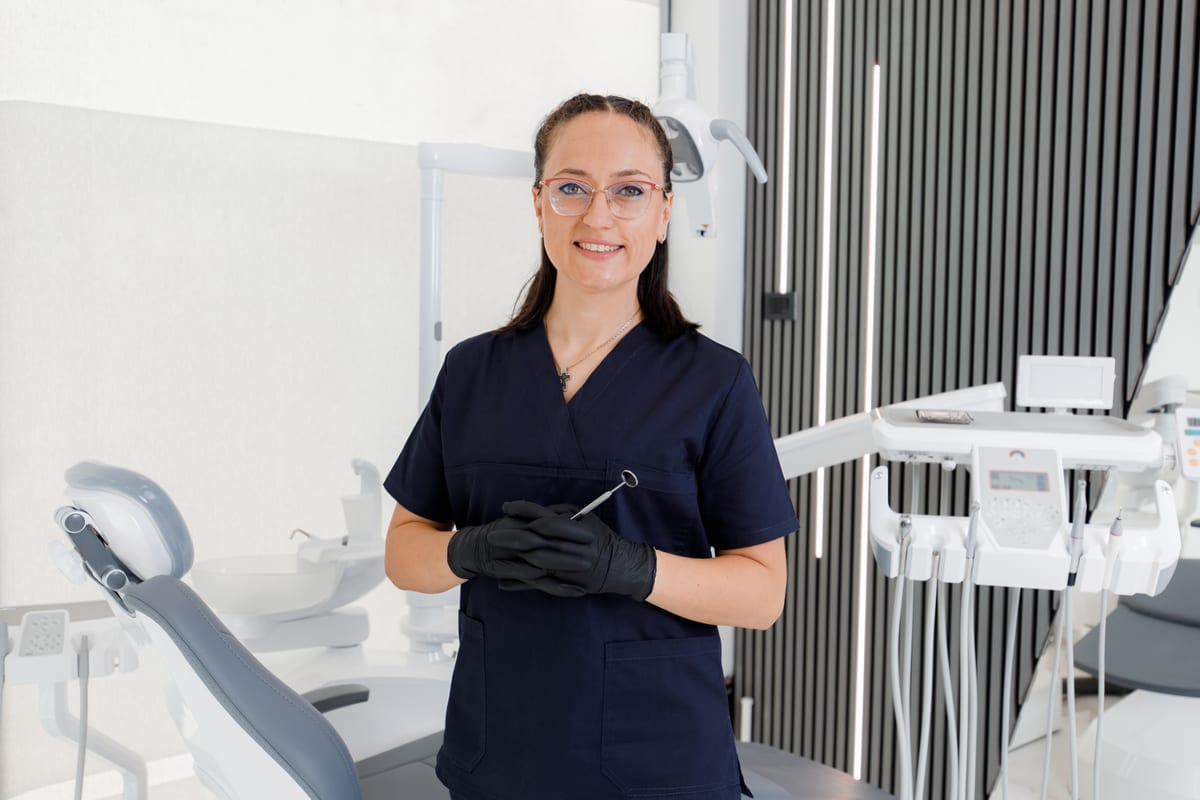
A professional cleaning at Pearl Dentistry of Bethel Park goes far beyond what your toothbrush can accomplish. Dr. Natalie Monaco and her hygiene team use specialized instruments designed specifically to remove hardened deposits.
Scaling tools — both manual and ultrasonic — vibrate or scrape at frequencies your toothbrush cannot match. They break apart tartar without harming your enamel. This process reaches well below the gumline where bacteria thrive.
Here is what a professional cleaning removes that home care cannot:
- Supragingival tartar — deposits visible above the gumline
- Subgingival tartar — calculus hidden beneath the gumline in gum pockets
- Stubborn surface stains bonded to enamel
- Bacterial biofilm lodged in areas your brush cannot reach
- Early plaque colonies forming in deep grooves and between teeth
After scaling, your hygienist polishes your teeth with a slightly abrasive paste. This smooths tooth surfaces, making it harder for plaque to stick in the weeks that follow.
The Health Risks of Skipping Professional Cleanings
Tartar is not just a cosmetic issue. It is a genuine health concern that escalates when left untreated. The longer tartar stays on your teeth, the more damage it causes.
Gum disease begins when tartar irritates gum tissue. The gums pull away from teeth, forming pockets. Bacteria fill those pockets, and the infection deepens. This is how gingivitis progresses into periodontitis — a serious condition linked to tooth loss.
Research also connects untreated gum disease to systemic health issues. These include increased risk of heart disease, diabetes complications, and respiratory conditions. Skipping a cleaning is never just a dental decision.
For Castle Shannon families, staying consistent with professional cleanings is one of the most cost-effective health choices available. Catching problems early is always simpler and less invasive than treating advanced disease.
How Often Should Castle Shannon Patients Get Professional Cleanings?
Most patients benefit from professional cleanings every six months. However, some individuals build tartar faster than others. Genetics, diet, dry mouth, and certain medications can all increase tartar formation.
Dr. Natalie Monaco evaluates each patient individually. Some Castle Shannon patients may need cleanings every three to four months to stay ahead of buildup. Others with naturally slow tartar formation may do well on a standard twice-yearly schedule.
If you haven’t visited a dental office in over a year, there is a good chance hardened tartar has accumulated in hard-to-reach spots. A professional exam will reveal exactly what your home care has missed. If a dental emergency has been keeping you away, know that Emergency Dentistry services are available to get you back on track quickly.
For patients interested in brightening their smile alongside their cleaning, Cosmetic Dentistry options like teeth whitening and veneers are also available at Pearl Dentistry of Bethel Park.
What to Expect During Your Cleaning at Pearl Dentistry of Bethel Park
Many Castle Shannon patients feel anxious about professional cleanings. Knowing what to expect makes the experience far more comfortable. The process is straightforward and typically takes less than an hour.
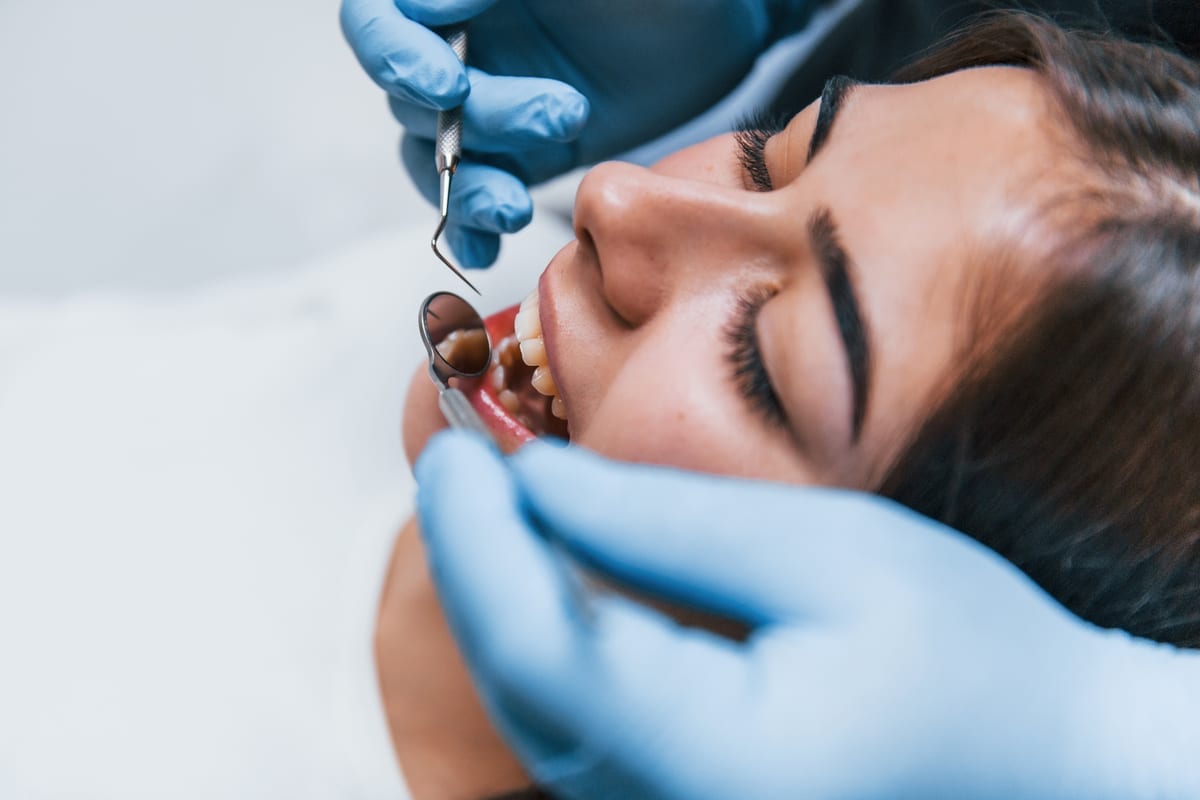
Your hygienist begins with a thorough examination of your gum tissue and existing deposits. They use a small mirror and probe to assess gum pocket depth and identify tartar locations. Then scaling begins, working methodically around every tooth surface.
Ultrasonic scalers use gentle vibrations and water irrigation to break apart tartar efficiently. For stubborn deposits, hand scalers provide precise manual removal. Most patients feel only mild pressure during the process.
Finally, your teeth are polished, and your hygienist reviews your home care technique. You leave with cleaner teeth and clearer guidance on keeping them that way until your next visit.
Frequently Asked Questions
Can tartar be removed at home with special tools?
No. Dental scaling instruments require professional training to use safely. Attempting to scrape tartar at home risks cutting your gums or damaging your enamel. Only a trained dental hygienist or dentist should remove hardened tartar deposits.
How quickly does tartar build up after a professional cleaning?
Plaque begins reforming within hours of a cleaning. Without complete daily removal, it can start mineralizing into tartar within 24 to 72 hours. This is why consistent daily brushing and flossing remain critical between professional visits.
Does tartar always cause gum disease?
Not always immediately, but tartar significantly raises your risk. The bacteria harbored in tartar irritate gum tissue over time. Left untreated, this irritation leads to gingivitis and can progress to more serious periodontal disease if professional cleaning is delayed.
Is a professional cleaning painful?
Most patients experience mild pressure or sensitivity during scaling, especially if tartar has built up near the gumline. Patients with sensitive teeth or early gum disease may feel more discomfort. Your hygienist can adjust their approach and use topical numbing agents if needed.
How do I know if I have tartar buildup?
Tartar often appears as a yellowish or brownish deposit along the gumline, especially on the back of lower front teeth. You may also notice rough or gritty tooth surfaces, persistent bad breath, or gum redness. Only a dental professional can fully assess the extent of buildup through an exam.
Your Castle Shannon smile deserves more than what a toothbrush alone can offer. Dr. Natalie Monaco and the team at Pearl Dentistry of Bethel Park are ready to help you remove what home care cannot. Book Now to schedule your appointment with our team.