

What Your Teeth Cleaning Can (and Can’t) Actually Remove
Many patients in Castle Shannon leave a cleaning expecting a dramatically brighter smile. Sometimes they get exactly that — and sometimes they feel a little disappointed. Understanding what your teeth cleaning can (and can’t) actually remove in Castle Shannon helps set realistic expectations before you even sit down in the chair. At Pearl Dentistry of Bethel Park, Dr. Natalie Monaco wants every patient to walk out informed, not surprised.
What a Professional Teeth Cleaning Actually Does
A professional cleaning focuses on removing two specific things: plaque and tartar. Plaque is a soft, sticky film of bacteria that forms on teeth daily. Tartar — also called calculus — is hardened plaque that only a dental instrument can break away.
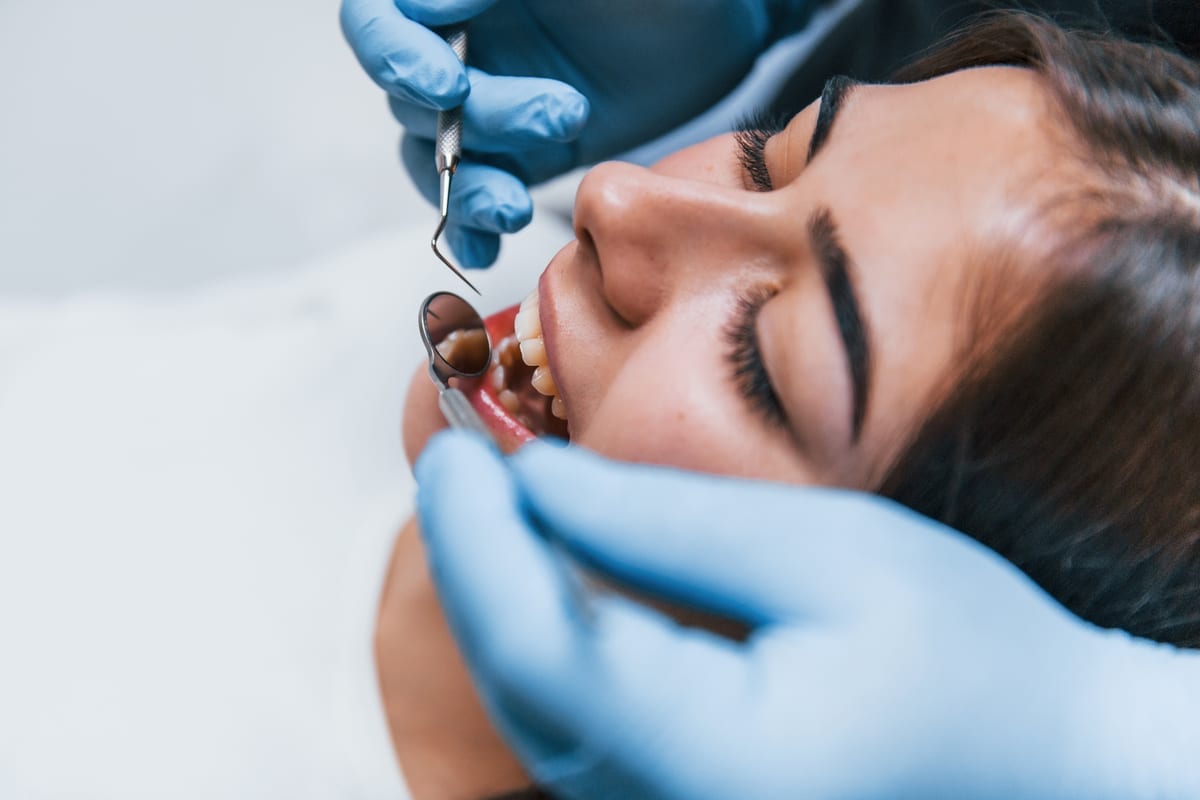
During your visit, a dental hygienist uses specialized tools to scale away tartar deposits. They also polish the tooth surface using a gritty paste. This polishing step is where some stain removal happens — but only certain kinds.
Here is what a standard cleaning typically accomplishes:
- Removes soft plaque buildup from tooth surfaces and the gumline
- Breaks away hardened tartar deposits
- Polishes away light surface stains from food and drinks
- Freshens breath by eliminating bacterial buildup
- Protects gum health by clearing bacteria near the gumline
Which Stains a Cleaning Can Remove in Castle Shannon
Not all tooth discoloration is created equal. Surface stains — called extrinsic stains — sit on the outer layer of enamel. These are the stains a professional cleaning can often reduce or eliminate during the polishing step.
Common sources of extrinsic staining include coffee, tea, red wine, and tobacco. If you drink coffee every morning, your enamel likely collects a thin layer of tannin-based pigment. Regular cleanings can buff away a good portion of that buildup.
However, the polishing paste used during cleanings is mildly abrasive — not a bleaching agent. It lifts surface deposits mechanically. This means results vary based on how deeply pigment has penetrated the enamel surface.
Patients who come in for regular six-month cleanings often see more consistent stain removal. Skipping appointments allows surface stains to bond more stubbornly to enamel over time.
What a Cleaning Cannot Remove — And Why Whitening Exists
Intrinsic stains are a different story entirely. These stains live inside the tooth structure itself — not on the surface. No amount of polishing paste will reach them. This is a very important distinction for patients to understand.
Intrinsic discoloration can result from several causes:
- Aging, which naturally darkens dentin beneath the enamel
- Certain antibiotics taken during childhood tooth development
- Fluorosis from excessive fluoride exposure in early years
- Trauma to a tooth that causes internal bleeding or nerve changes
- Genetic factors that affect enamel thickness or color
These deeper stains require professional whitening treatments or cosmetic solutions. Whitening agents — typically hydrogen peroxide or carbamide peroxide — penetrate enamel and chemically break down pigment molecules inside the tooth. If you are curious about cosmetic options for deeper discoloration, explore Cosmetic Dentistry Castle Shannon to learn what might work for your smile.
Veneers are another option when stains are too deep or severe for whitening to address. Dr. Monaco can help you identify the right path at your next appointment.
Setting Realistic Expectations Before Your Appointment
One of the most common post-cleaning frustrations comes from mismatched expectations. Patients sometimes hope a cleaning will whiten their smile several shades. In reality, a cleaning restores your natural tooth color — it does not change it.
Think of it this way: your enamel has a baseline shade. Cleaning removes what is sitting on top of that baseline. If your natural enamel is slightly yellow, cleaning will not make it bright white. That is completely normal and healthy.
Dr. Monaco recommends having an honest conversation with your hygienist before your appointment. Let them know your goals. They can tell you whether whitening or another service might better meet your expectations after the cleaning is complete.
Also worth noting — some patients experience temporary tooth sensitivity after a cleaning, especially if tartar buildup was significant. This is normal and usually resolves within a day or two.
When to Ask About Whitening or Cosmetic Options
After your cleaning, your teeth will likely look noticeably cleaner and feel smoother. But if you still feel unhappy with the shade, that is a great time to ask about professional whitening. Pearl Dentistry of Bethel Park offers whitening services that go far beyond what a polishing step achieves.
Patients dealing with severe or old staining may benefit more from veneers or dental crowns. These options cover the tooth entirely and create a permanently improved appearance. Dr. Monaco will walk you through which approach makes sense for your specific situation.
If you experience sudden dental pain or a broken tooth before your scheduled cleaning, do not wait. Reach out to learn about Emergency Dentistry Castle Shannon so you can get prompt care when you need it most.
Choosing the right treatment starts with understanding what each service actually does. That is exactly the kind of guidance Pearl Dentistry of Bethel Park provides to every Castle Shannon patient who walks through the door.
Take the Next Step Toward a Cleaner, Brighter Smile
Now that you understand what your teeth cleaning can and cannot actually remove, you can approach your next appointment with clear expectations. A professional cleaning is a powerful foundation for oral health — but it works best as part of a broader smile care plan. Whether you need a routine cleaning, whitening, or a full cosmetic consultation, Dr. Natalie Monaco and the Pearl Dentistry team are here to guide you every step of the way. Book Now to schedule your appointment with our team.
Frequently Asked Questions
Will my teeth look whiter after a professional cleaning?
Your teeth may appear noticeably cleaner and brighter after a cleaning because surface stains are polished away. However, a cleaning restores your natural tooth color rather than bleaching it to a lighter shade. If you want a whiter shade, professional whitening is the appropriate next step.
How often should I get a teeth cleaning to manage staining?
Most patients benefit from a professional cleaning every six months. If you consume a lot of staining foods and drinks like coffee, tea, or red wine, your hygienist may recommend more frequent visits to stay ahead of surface buildup.
Can a cleaning remove tobacco stains completely?
Tobacco produces some of the most stubborn surface stains. A cleaning can reduce tobacco discoloration, but heavy or long-term tobacco staining may require professional whitening in addition to a standard cleaning. Your hygienist can assess the staining during your visit and recommend next steps.
What is the difference between extrinsic and intrinsic tooth stains?
Extrinsic stains sit on the outer surface of enamel and often respond to professional polishing during a cleaning. Intrinsic stains develop inside the tooth structure from aging, medications, or trauma. Intrinsic stains require whitening treatments or cosmetic procedures to address them effectively.
Is the polishing step during a cleaning safe for my enamel?
Yes, the polishing paste used during a professional cleaning is mildly abrasive and safe for healthy enamel when used by a trained hygienist. It is designed to remove surface deposits without causing significant wear. Your hygienist will choose an appropriate polish based on your tooth sensitivity and enamel condition.