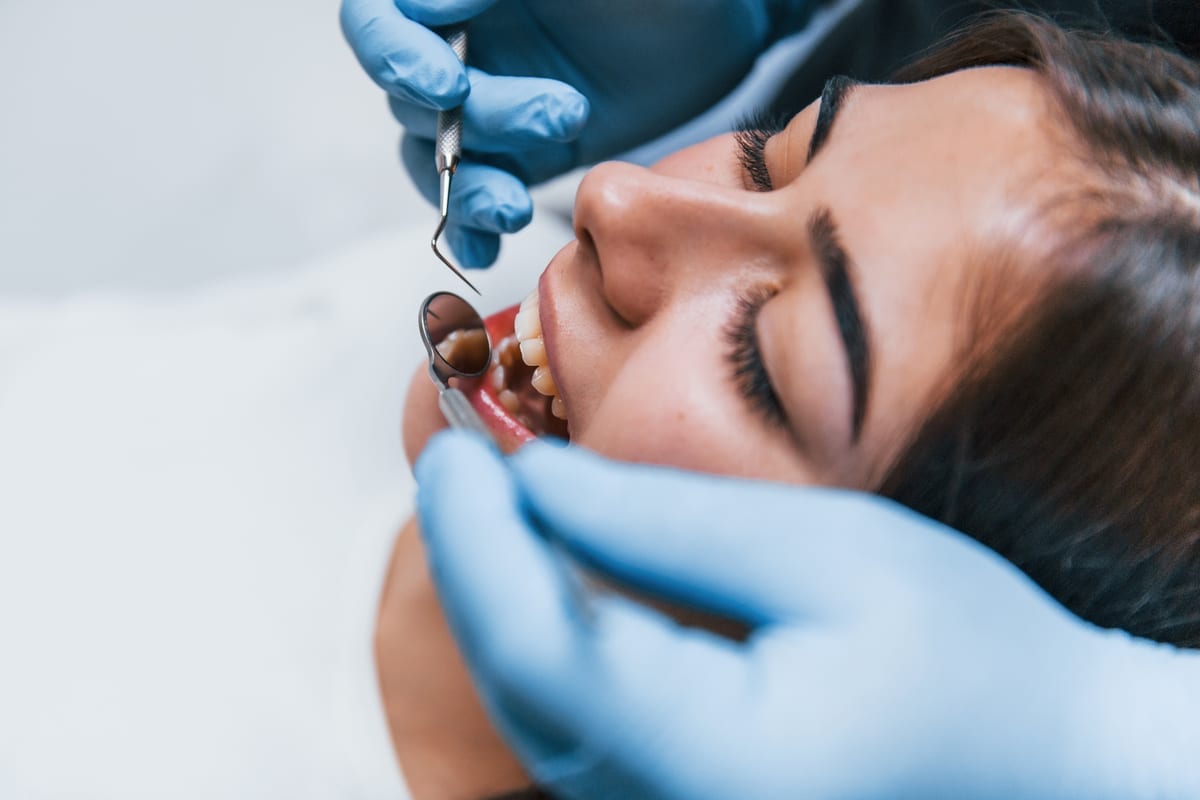

Dental Implants: What You Need to Know
Dental Implants: A Complete Guide to Restoring Your Smile
Missing teeth can affect more than just your appearance. They impact how you chew, speak, and feel about yourself. Dental Implants are one of the most effective solutions available today. At Pearl Dentistry of Bethel Park, our dental team is committed to helping patients understand their options. This guide covers everything you need to know about dental implants, from how they work to what the process involves.
What Are Dental Implants?
Dental implants are small titanium posts. They are surgically placed into the jawbone beneath the gum line. Once in place, they act as artificial tooth roots. A replacement tooth, called a crown, is then attached on top. This creates a restoration that looks and functions like a natural tooth. Unlike dentures or bridges, implants are a permanent solution. They do not shift or slip during daily activities. Most patients find them very comfortable over time.
Who Is a Good Candidate for Dental Implants?
Not everyone is an immediate candidate for dental implants. Good candidates generally have healthy gums and adequate jawbone density. Non-smokers tend to have better outcomes. Certain medical conditions may affect eligibility. Our dental team will conduct a thorough evaluation before recommending implants. This evaluation often includes X-rays and a review of your dental history. Patients with bone loss may need a bone graft first. This extra step helps ensure the implant has a strong foundation to bond with.
The Dental Implant Process: Step by Step
The implant process typically takes place over several months. First, the titanium post is surgically placed into the jaw. Then comes a healing period called osseointegration. During this phase, the bone fuses with the titanium post. This bonding process is what makes implants so stable. After healing, an abutment is attached to the post. The abutment connects the post to the final crown. Once the custom crown is ready, it is secured onto the abutment. The result is a durable, natural-looking tooth replacement.
Throughout the process, our dental team monitors your healing carefully. Follow-up visits are an important part of your care. These appointments help catch any concerns early. Most patients experience minimal discomfort during and after each stage. Over-the-counter pain relievers are often sufficient for post-procedure soreness. Each patient’s timeline can vary slightly based on individual healing rates. Open communication with your dental provider helps the process go smoothly.
Benefits of Choosing Dental Implants
Dental implants offer several meaningful advantages over other tooth replacement options. They preserve the jawbone, which can deteriorate after tooth loss. They also help maintain your facial structure over time. Because implants are fixed in place, they feel very natural. You can eat, speak, and smile with confidence. They do not require adhesives or removal at night. With proper care, implants can last many decades. Many patients consider them a long-term investment in their oral health and quality of life.
- Preserves jawbone density — prevents bone loss that follows tooth extraction
- Natural look and feel — closely mimics real teeth in appearance and function
- Durability — designed to last many years with proper care
- No adhesives needed — unlike removable dentures, implants stay in place
- Supports surrounding teeth — fills gaps that could cause neighboring teeth to shift
Caring for Your Dental Implants
Caring for implants is very similar to caring for natural teeth. Brush twice daily using a soft-bristle toothbrush. Floss around the implant each day to remove plaque buildup. Regular dental checkups are essential for long-term success. Our dental team will check the implant site during routine visits. Avoid chewing on hard objects like ice or pen caps. Quitting smoking, if applicable, greatly improves implant longevity. Good oral hygiene habits are the best way to protect your investment.
How Dental Implants Compare to Other Options
There are several ways to replace missing teeth. Dentures are removable and can be less comfortable over time. Dental bridges are fixed but require grinding down adjacent healthy teeth. Dental Implants do not rely on neighboring teeth for support. They function independently, which makes them a more conservative choice in some cases. Each option has its own advantages depending on your specific situation. Our dental team can help you compare options and make an informed decision. You can also explore our full range of dental services to learn about related treatments.
Conclusion
Dental implants are a proven, long-lasting solution for missing teeth. They support your oral health, confidence, and overall well-being. Understanding the process helps you feel prepared and informed before making any decisions. At Pearl Dentistry of Bethel Park, our dental team takes an educational approach to every patient consultation. We want you to feel empowered, not pressured. If you have questions or want to explore whether implants are right for you, we are here to help. You can also learn more about our team and our patient-centered philosophy. Learn More about how we can help you.
Frequently Asked Questions
How long do dental implants last?
With proper care and regular dental checkups, dental implants can last 20 years or more. Many patients keep their implants for a lifetime. The crown attached to the implant may need replacement after 10 to 15 years due to normal wear.
Is the dental implant procedure painful?
Most patients report less discomfort than they expected. Local anesthesia is used during the procedure to minimize pain. Post-procedure soreness is usually mild and manageable with over-the-counter pain relievers. Your dental team will provide guidance on managing any discomfort after each stage.
How long does the entire implant process take?
The full process typically takes three to six months. This timeline includes the healing period required for osseointegration. Some cases take longer if additional procedures like bone grafting are needed. Your dental provider will give you a personalized timeline based on your situation.
Can dental implants fail?
Implant failure is uncommon but can occur. Risk factors include smoking, uncontrolled diabetes, and poor oral hygiene. Following your dental team’s aftercare instructions greatly reduces this risk. Early signs of concern include pain, swelling, or implant movement, and these should be reported promptly.
Are dental implants suitable for teenagers?
Dental implants are generally not recommended for teenagers. The jawbone must be fully developed before implants can be placed. Most dental professionals wait until patients are in their late teens or early twenties. Your dental team can advise on the best timing based on individual development.