
Your Root Canal Recovery Guide: Pain Relief, Foods to Eat, and Warning Signs
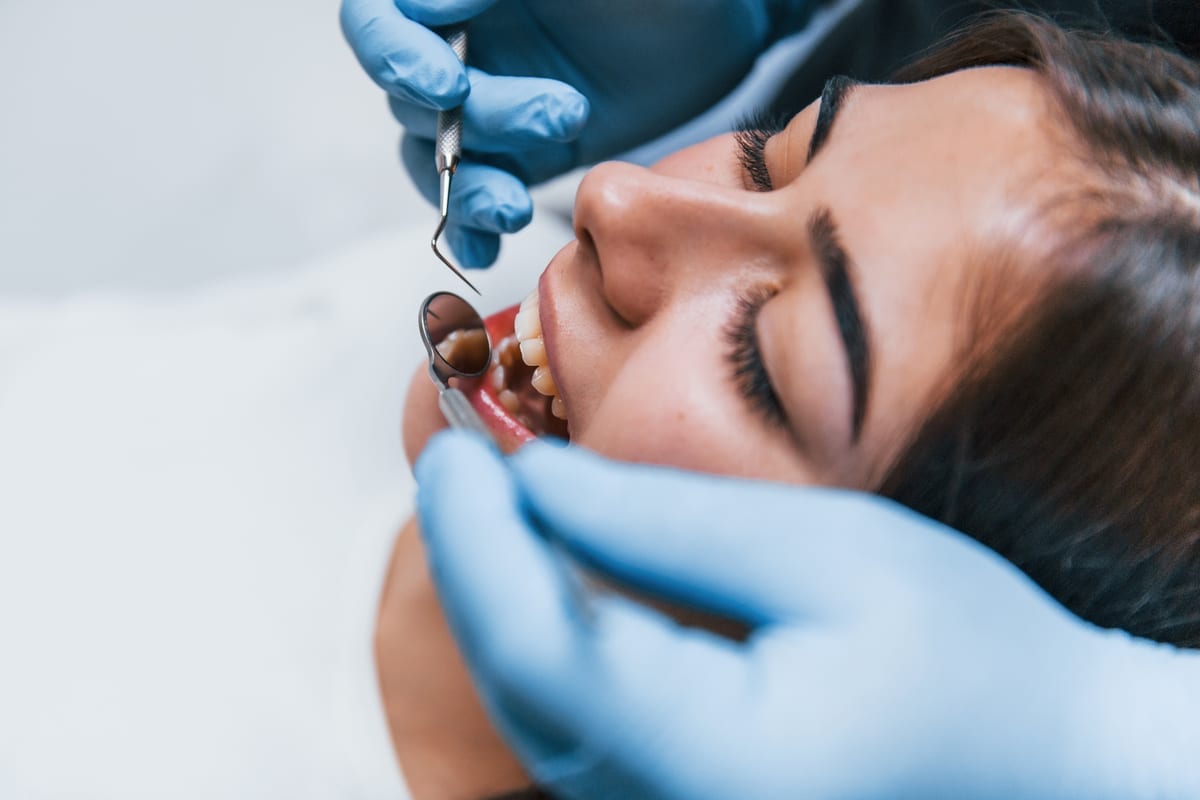
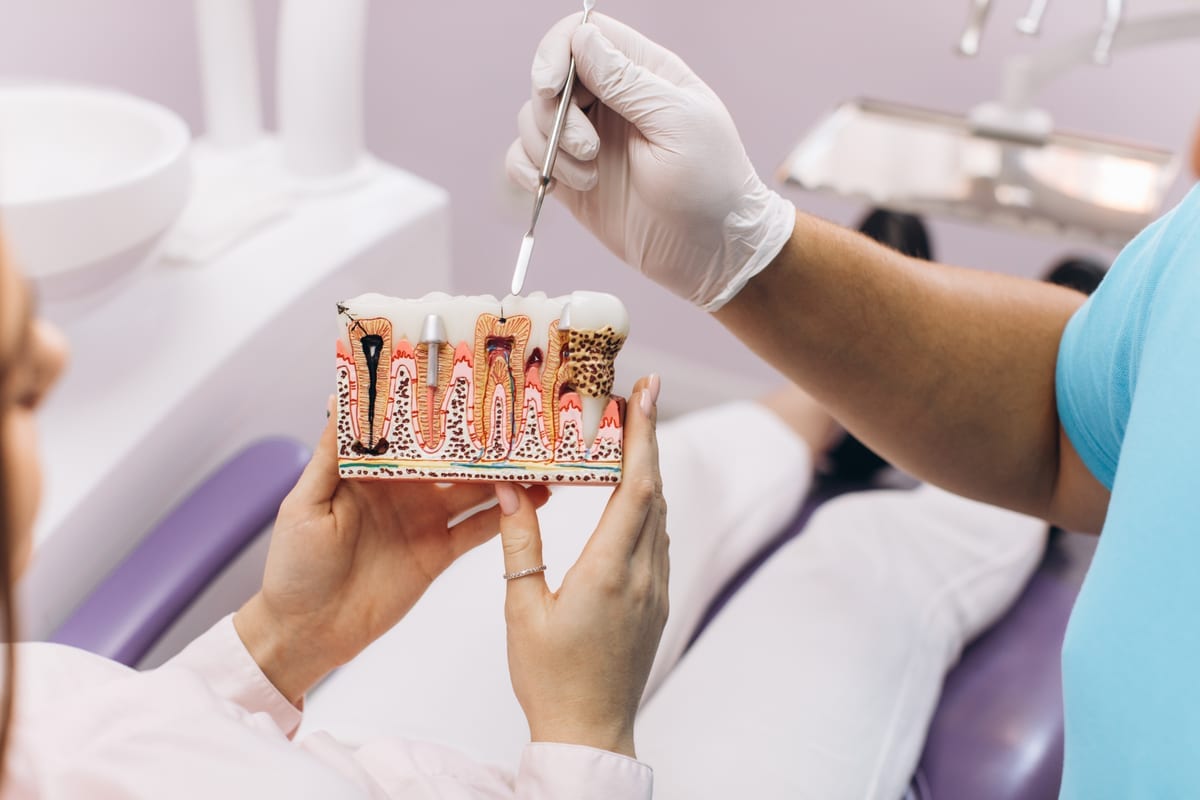
If you just had a root canal in Pittsburgh, you probably have questions about what comes next. Your root canal recovery guide covers everything you need: pain relief options, the best foods to eat, how long sensitivity lasts, and warning signs Pittsburgh patients should never ignore. At Pearl Dentistry of Bethel Park, Dr. Natalie Monaco wants every patient to heal comfortably and confidently after treatment.
What to Expect in the First 48 Hours After a Root Canal
The first two days after your root canal are the most important for recovery. Your tooth and the surrounding gum tissue will feel tender and swollen. This is completely normal and expected after any endodontic procedure.
Your jaw may feel sore from staying open during treatment. You might also notice some mild bruising near the injection site. These sensations typically peak within 24 hours and then gradually improve.
Avoid touching the treated area with your tongue or fingers. Do not rinse your mouth vigorously during the first day. Let the area rest so healing can begin properly.
- Expect mild to moderate soreness for 24–72 hours
- Some swelling around the gum is normal
- Your bite may feel slightly off at first
- Numbness from anesthesia can last 2–4 hours after the procedure
- Avoid hard, crunchy, or sticky foods for at least 48 hours
Pain Relief Options: What Actually Works in Pittsburgh
Managing discomfort is a top priority during root canal recovery. Most patients find that over-the-counter pain relievers work well for the first few days. Dr. Monaco typically recommends ibuprofen as a first choice because it reduces both pain and inflammation.
Take ibuprofen every 6–8 hours with food to protect your stomach. If ibuprofen is not right for you, acetaminophen is a safe alternative. Avoid aspirin if possible, as it can thin the blood and slow healing.
For patients with more significant discomfort, Dr. Monaco may prescribe a short course of stronger medication. Always follow the dosage instructions provided. Do not wait until pain becomes severe before taking your first dose — staying ahead of discomfort is more effective.
Cold compresses applied to the outside of your cheek can also reduce swelling. Apply for 10 minutes on, then 10 minutes off. Never apply ice directly to the skin.
Foods to Eat and Avoid During Root Canal Recovery
Your diet plays a major role in how quickly you recover. Eating the right foods protects your treated tooth and keeps you comfortable. The general rule is simple: soft foods are your best friends right now.
- Good choices: yogurt, scrambled eggs, mashed potatoes, soup (not too hot), smoothies, oatmeal, soft fish, avocado, and bananas
- Foods to avoid: hard candies, chips, nuts, crusty bread, chewy meats, popcorn, and very sticky foods like caramel
- Temperature matters: avoid very hot or very cold foods for the first 48 hours
- Chewing side: chew on the opposite side of your mouth when possible
Staying hydrated is equally important. Drink plenty of water throughout the day. Avoid alcohol and carbonated beverages for at least 24 hours after treatment.
Do not use a straw for the first 24 hours. The suction motion can disturb the treated area. Gentle sipping is fine, but straws are not recommended during early recovery.
How Long Does Sensitivity Last After a Root Canal?
Most patients in Pittsburgh want to know exactly how long they will feel sensitivity after a root canal. The honest answer is that it varies from person to person. However, most people feel significant improvement within 3–5 days.
Mild sensitivity to pressure when biting can persist for up to two weeks. This happens because the ligament around your tooth root becomes inflamed during treatment. It needs time to settle down completely.
If you had a severe infection before your root canal, recovery may take a little longer. A temporary crown or filling is placed after the procedure while you wait for your permanent crown. Avoid biting down hard on that tooth until your final restoration is in place.
Regular Dental Exams And Teeth Cleaning Pittsburgh appointments help Dr. Monaco monitor your healing and catch any complications early. Keeping these follow-up visits is an important part of long-term success after endodontic treatment.
Warning Signs Pittsburgh Patients Should Never Ignore
Part of your root canal recovery guide is knowing when something is wrong. Most recoveries go smoothly, but some patients do experience complications. Recognizing warning signs early can prevent a small problem from becoming a serious one.
Contact Pearl Dentistry of Bethel Park immediately if you notice any of the following red flags:
- Severe pain that does not improve after 3–4 days or gets suddenly worse
- Visible swelling that is increasing rather than decreasing
- Fever above 100.4°F, which may indicate infection
- Pus or discharge coming from the treated area
- Your temporary crown or filling falls out
- A bad or unusual taste in your mouth that does not go away
- Allergic reactions to any prescribed medications
These symptoms are not normal parts of healing. They require prompt professional attention. Do not wait to see if they resolve on their own.
If you experience a dental emergency in Pittsburgh after your procedure, Emergency Dentistry Pittsburgh services are available at Pearl Dentistry of Bethel Park to address urgent concerns quickly and effectively.
Tips for a Smooth and Fast Recovery
Beyond pain relief and diet, a few simple habits can speed up your healing significantly. Following these tips helps protect your investment and ensures the best long-term outcome for your treated tooth.
- Get adequate rest in the first 24 hours after your procedure
- Avoid strenuous exercise for at least 48 hours
- Sleep with your head slightly elevated to reduce swelling
- Brush gently around the treated area using a soft-bristled toothbrush
- Rinse with warm salt water starting 24 hours after treatment
- Attend your follow-up appointment for your permanent crown
Do not smoke or use tobacco products during recovery. Tobacco significantly slows healing and raises the risk of infection. It also increases the likelihood of treatment failure over time.
Continue taking any prescribed antibiotics for the full course. Stopping early — even if you feel better — allows bacteria to survive. Always finish what your dentist prescribes.
Conclusion: Recovering Well in Pittsburgh Starts with the Right Support
Healing after a root canal does not have to be stressful. With the right pain relief strategy, a soft and nourishing diet, and a clear understanding of what warning signs to watch for, most patients recover comfortably within a week. Dr. Natalie Monaco and the entire team at Pearl Dentistry of Bethel Park are here to guide you through every step of your recovery. Book Now to schedule your appointment with our team.
Frequently Asked Questions
How long does pain last after a root canal in Pittsburgh?
Most patients experience mild to moderate soreness for 3–5 days after their root canal. Sensitivity to biting pressure can last up to two weeks. If pain is severe or suddenly gets worse after the third day, contact your dentist right away.
Can I go to work the day after my root canal?
Most patients can return to desk work or light activity the day after their procedure. If your job involves heavy physical labor, consider taking one additional day to rest. Listen to your body and avoid overexerting yourself during the first 48 hours.
What should I eat the day of my root canal procedure?
Stick to soft, room-temperature foods on the day of your procedure. Good options include yogurt, mashed potatoes, soup, and smoothies. Avoid anything hard, crunchy, chewy, or very hot or cold until your anesthesia has fully worn off and soreness begins to ease.
Is it normal for my tooth to feel high or different after a root canal?
Yes, it is common for your bite to feel slightly off after a root canal. This is usually because of swelling in the surrounding tissue. However, if your bite still feels uneven after a few days, call your dental office — the temporary restoration may need a small adjustment.
When should I call an emergency dentist after a root canal?
Call an emergency dentist if you experience increasing swelling, fever, severe pain that does not respond to medication, or if your temporary filling falls out. These are signs that may require prompt treatment. Pearl Dentistry of Bethel Park offers emergency dentistry services for exactly these situations.