
Your Temporary Crown: What to Eat, Clean, and Expect Next
Getting a dental crown is a two-step process for most patients. Your temporary crown protects your tooth while the permanent one is being made. Knowing what to eat, clean, and expect next in Pittsburgh can make this waiting period much smoother. At Pearl Dentistry of Bethel Park, Dr. Natalie Monaco guides every patient through each step of this journey.
Temporary crowns are made from acrylic or composite resin. They are not as strong as your final restoration. That is why understanding proper care during this phase matters so much. A little extra caution now protects your smile later.
What to Eat With Your Temporary Crown in Pittsburgh
Your diet is the most important thing to adjust after receiving a temporary crown. The cement holding it in place is intentionally weaker than permanent cement. This allows your dentist to remove it easily at your next visit.
Stick to soft foods as much as possible. Think scrambled eggs, mashed potatoes, yogurt, and cooked vegetables. Avoiding hard and sticky foods protects the temporary from coming loose or cracking.
Here are foods to avoid during the temporary crown phase:
- Hard candies and ice
- Sticky foods like caramel, taffy, and gummy vitamins
- Crunchy foods like raw carrots or hard chips
- Chewy breads and tough meats
- Popcorn and nuts
Also try to chew on the opposite side of your mouth. This simple habit reduces pressure on the temporary crown every day. Small adjustments like this can prevent an early visit back to the office.
How to Clean Your Temporary Crown Safely
Keeping your temporary crown clean is essential for your oral health. Bacteria and plaque can still build up around it. Neglecting cleaning can lead to gum irritation or decay under the crown.
Brush gently around the temporary twice a day. Use a soft-bristled toothbrush and avoid aggressive scrubbing. Normal brushing technique works well as long as you are gentle near the crown margin.
Flossing requires one small adjustment. Instead of lifting the floss out from between teeth, slide it out sideways. Pulling upward can dislodge the temporary crown from its base.
Here is a simple cleaning routine to follow:
- Brush teeth twice daily with a soft toothbrush
- Use non-whitening, non-abrasive toothpaste
- Floss once daily by sliding floss out sideways
- Rinse with a mild, alcohol-free mouthwash
- Avoid whitening products during this phase
Staying consistent with this routine also keeps your gums healthy before your permanent crown is placed. Healthy gum tissue makes the final fitting more comfortable and precise. Regular Dental Exams And Teeth Cleaning Pittsburgh appointments support your overall oral health throughout this process.
What to Do If Your Temporary Crown Falls Off
It happens more often than you might think. Temporary crowns can come off due to sticky food, grinding, or normal wear. Stay calm — this is manageable with the right steps.
First, retrieve the crown if you can. Rinse it gently with warm water. Do not throw it away, as your dentist may be able to re-cement it temporarily.
Try to place the crown back over the tooth yourself if possible. Dental adhesive or even a small amount of toothpaste can hold it temporarily. Never leave the tooth exposed for long — it can become sensitive quickly.
Call Pearl Dentistry of Bethel Park right away. Dr. Monaco and her team will advise you on the next steps. If you experience pain or swelling after the crown falls off, treat it as an Emergency Dentistry Pittsburgh situation and seek care promptly.
Avoid eating on that side until the crown is replaced. Exposed tooth structure is vulnerable to temperature sensitivity and damage. The sooner you get it re-cemented, the better.
How Long Does the Temporary Crown Phase Last?
Most patients wear a temporary crown for two to three weeks. This gives the dental lab enough time to craft your permanent restoration. The timeline can vary depending on the complexity of your case.
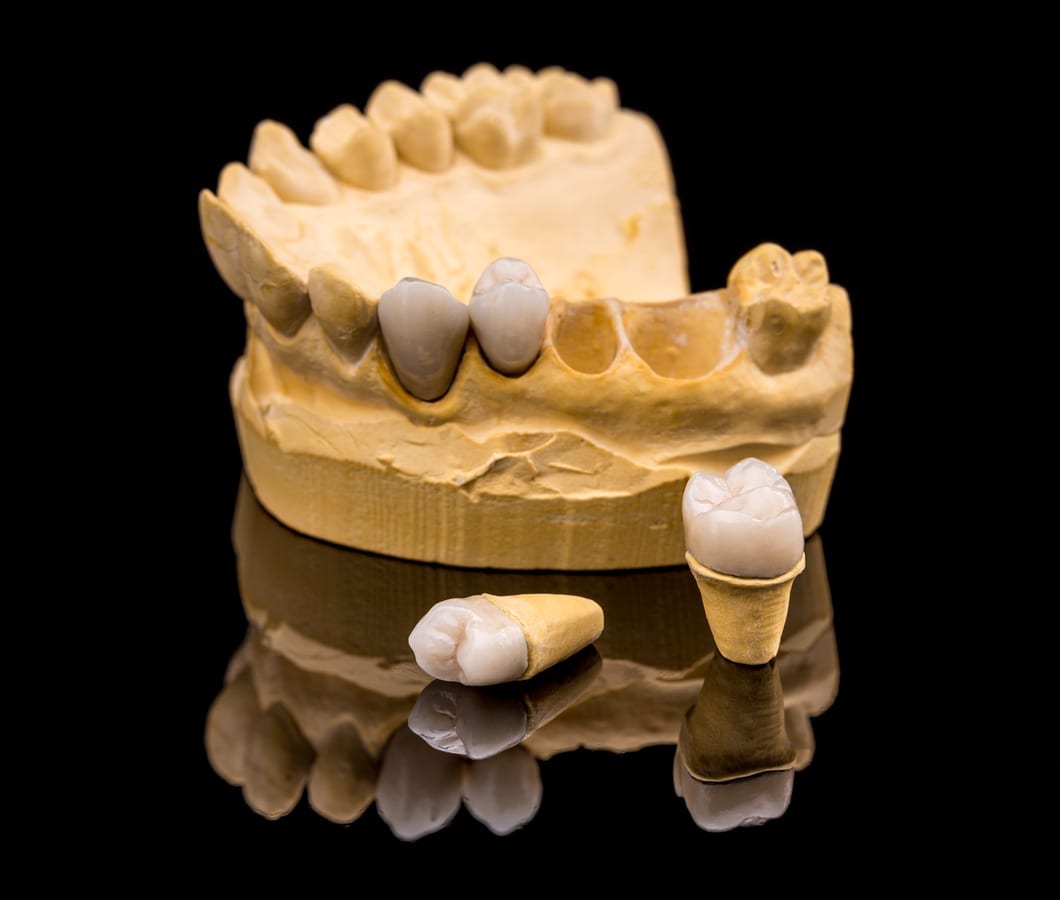
During this period, your permanent crown is custom-made to match your bite and tooth color. Dental labs use impressions or digital scans taken during your first appointment. Every detail is crafted to ensure a natural, comfortable fit.
Some patients may need to wear their temporary crown longer. This can happen if adjustments are needed or if additional dental work is required first. Dr. Monaco will give you a clear timeline during your consultation.
What you can expect at your permanent crown appointment includes:
- Removal of the temporary crown
- Cleaning and preparation of the tooth surface
- Trial fitting of the permanent crown
- Bite check and minor adjustments if needed
- Final cementation with permanent dental cement
The second appointment is typically quicker than the first. Most patients leave with their permanent crown placed in under an hour. It is the reward for taking such good care during the temporary phase.
When to Call Your Dentist Before Your Next Appointment
Some situations should not wait until your scheduled return visit. Knowing the warning signs helps you act quickly and avoid complications. Trust your instincts — if something feels wrong, reach out.
Contact Pearl Dentistry of Bethel Park if you notice any of the following. Prolonged tooth sensitivity to hot or cold may signal an issue. Pain when biting down can also indicate that the temporary crown needs adjustment.
Gum swelling or bleeding around the crown site deserves attention too. This could mean bacteria have gotten under the temporary. A quick check by Dr. Monaco can prevent bigger problems down the line.
Never ignore a crack or chip in your temporary crown. Even a small fracture can expose the underlying tooth. Reaching out early keeps your treatment on track without setbacks.
Conclusion: You Are Almost There
The temporary crown phase is short but important. What you eat, how you clean, and how quickly you act if something goes wrong all matter. Patients in Pittsburgh who follow these simple steps usually transition smoothly to their permanent crown. Dr. Natalie Monaco and the team at Pearl Dentistry of Bethel Park are here to support you every step of the way. Book Now to schedule your appointment with our team.
Frequently Asked Questions
How long does a temporary crown usually stay on?
Most temporary crowns remain in place for two to three weeks. This gives the dental lab time to create your permanent restoration. Your dentist will schedule your follow-up appointment before you leave the office.
Can I eat normally with a temporary crown?
You should avoid hard, sticky, and crunchy foods during this phase. Soft foods like mashed potatoes, eggs, and yogurt are safe choices. Chewing on the opposite side of your mouth also helps protect the temporary crown.
What should I do if my temporary crown falls off?
Keep the crown and rinse it gently with warm water. Try to place it back over the tooth and call your dentist right away. Avoid leaving the tooth exposed, as it can become sensitive and vulnerable to damage.
Is it normal to have sensitivity with a temporary crown?
Mild sensitivity to temperature or pressure is common after a temporary crown is placed. This usually improves once the permanent crown is fitted. If sensitivity is severe or worsening, contact your dentist promptly.
Can I floss around my temporary crown?
Yes, flossing is still important during the temporary crown phase. The key difference is to slide the floss out sideways rather than lifting it upward. This prevents accidentally pulling the temporary crown loose from the tooth.