
Teeth Whitening Sensitivity in Pittsburgh, PA
Many Bethel Park patients ask why does teeth whitening cause sensitivity and how to stop it. It is one of the most common concerns we hear at Pearl Dentistry of Bethel Park. The good news is that sensitivity after whitening is temporary and very manageable. Dr. Natalie Monaco helps patients understand what causes it and how to get real relief.
What Causes Teeth Whitening Sensitivity in Bethel Park Patients?
Whitening products use peroxide-based gels to lift stains from your enamel. These gels open tiny channels in your enamel called dentinal tubules. Those channels lead directly to the nerve inside your tooth. When that happens, your teeth can feel sharp, sudden pain from heat, cold, or even air.
The concentration of peroxide matters a great deal. Higher concentrations whiten faster but cause more sensitivity. Over-the-counter strips often cause sensitivity because they are not custom-fitted to your teeth. Gel can seep onto your gums and soft tissue, making the problem worse.
Some patients are naturally more prone to sensitivity. Thin enamel, gum recession, or existing small cracks increase the risk. This is why a dental evaluation before whitening is so important. Understanding your baseline tooth health helps Dr. Monaco create a safer whitening plan for you.
How Professional Whitening Minimizes Sensitivity
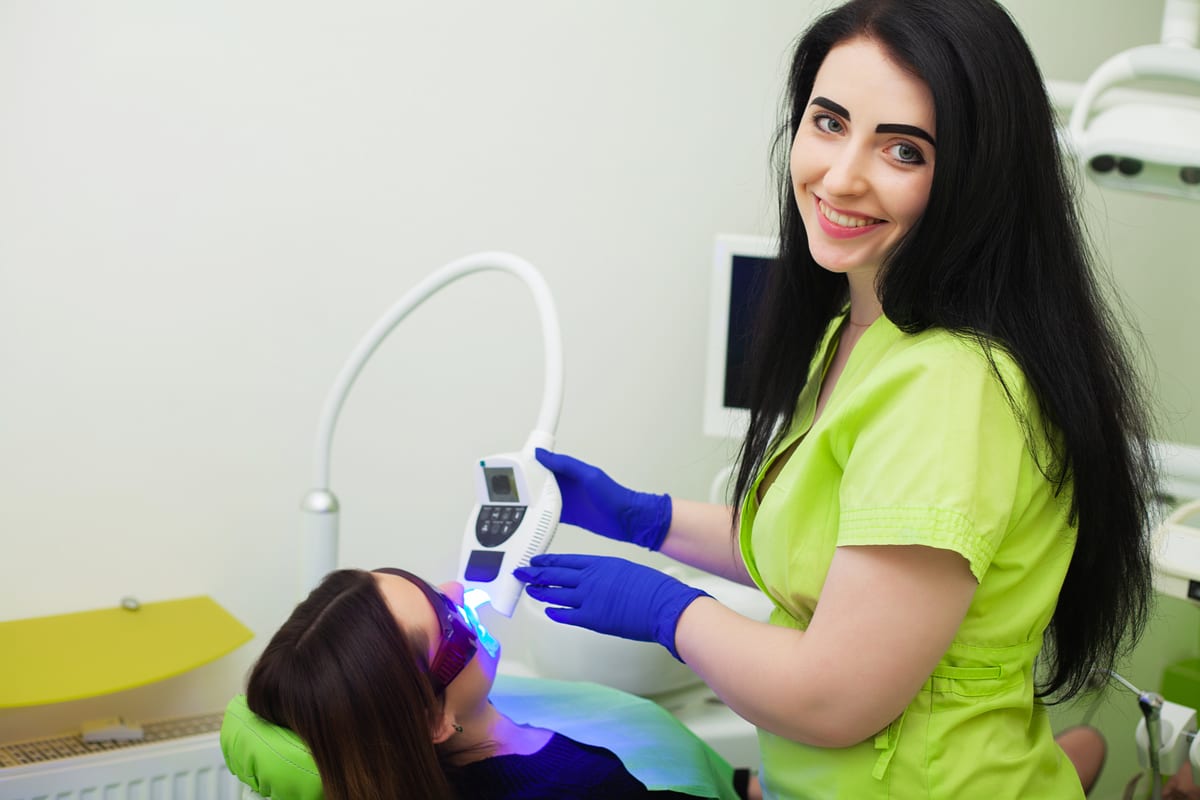
Professional whitening at Pearl Dentistry of Bethel Park is very different from store-bought options. Dr. Monaco uses custom-fitted trays that keep gel precisely on your teeth. This prevents unnecessary contact with your gums and surrounding tissue. The result is more effective whitening with far less irritation.
Professional-grade formulas also include desensitizing agents like potassium nitrate or fluoride. These ingredients calm the nerves inside your teeth during treatment. Many patients are surprised by how comfortable in-office whitening can actually feel. The entire process is carefully monitored to protect your comfort.
Before whitening, Dr. Monaco recommends a thorough Dental Exams And Teeth Cleaning appointment. Clean, healthy teeth respond better to whitening treatment. Removing plaque and tartar first allows the whitening gel to work more evenly. It also helps Dr. Monaco spot any issues that might increase your sensitivity risk.
Here are some key benefits of choosing professional whitening over at-home kits:
- Custom trays prevent gel from touching your gums
- Desensitizing agents are built into professional formulas
- Dr. Monaco monitors your comfort throughout the process
- Treatment time is controlled to reduce nerve irritation
- Results are faster, so your exposure time is shorter
What You Can Do at Home to Stop Whitening Sensitivity
There are several practical steps you can take before and after whitening. Starting early gives your teeth the best protection. Many of these tips are simple and require no special equipment. Dr. Monaco shares these strategies with every whitening patient at Pearl Dentistry of Bethel Park.
Try these proven at-home strategies to reduce whitening sensitivity:
- Use a toothpaste formulated for sensitive teeth for two weeks before whitening
- Brush gently with a soft-bristled toothbrush to avoid enamel wear
- Avoid very hot or very cold foods and drinks after treatment
- Skip acidic foods like citrus, vinegar, and soda right after whitening
- Apply a fluoride gel or desensitizing gel after each whitening session
- Take over-the-counter pain relievers if sensitivity becomes uncomfortable
Spacing out your whitening sessions also makes a big difference. Giving your teeth 48 hours between treatments allows the tubules to close. Rushing through whitening sessions is the most common cause of prolonged sensitivity. Patience leads to better results and a more comfortable experience overall.
You should also store your whitening trays properly between uses. Rinse them thoroughly and keep them in a clean, dry case. Residual gel left in a tray can continue irritating your teeth and gums. Small habits like this protect both your comfort and your results.
When Sensitivity After Whitening Becomes a Warning Sign
Most whitening sensitivity fades within 24 to 72 hours after treatment. If your pain lasts longer than three days, something else may be happening. Persistent or worsening pain can signal an underlying dental issue. It is always better to get it checked than to wait and hope it passes.
Sharp pain triggered by biting down can indicate a cracked tooth or exposed root. These conditions need treatment before whitening can safely continue. Dr. Monaco at Pearl Dentistry of Bethel Park evaluates each patient carefully before recommending whitening. This step prevents worsening a problem that was already present.
If you experience severe pain or swelling after any dental treatment, do not wait. Reach out to our team right away through our Emergency Dentistry services. Dr. Monaco and the Pearl Dentistry team are here to help Bethel Park patients quickly. Your comfort and safety are always the top priority.
Making Teeth Whitening Safe and Comfortable for You
Teeth whitening does not have to be a painful experience. With the right preparation, professional guidance, and aftercare, most patients do just fine. Dr. Natalie Monaco has helped many Bethel Park residents achieve brighter smiles without suffering through sensitivity. Understanding why sensitivity happens is the first step toward preventing it.
Every patient at Pearl Dentistry of Bethel Park gets a personalized treatment plan. That means no guessing, no one-size-fits-all approach, and no unnecessary discomfort. Whether your sensitivity is mild or more intense, there are solutions that work for you. You deserve a whiter smile that you actually feel good about getting.
Ready to brighten your smile the safe and comfortable way? Book Now to schedule your appointment with our team.
Frequently Asked Questions
Is teeth whitening sensitivity permanent?
No, whitening sensitivity is almost always temporary. Most patients feel relief within 24 to 72 hours after treatment ends. If sensitivity continues beyond three days, contact Dr. Monaco at Pearl Dentistry of Bethel Park for an evaluation.
Can I whiten my teeth if I already have sensitive teeth?
Yes, but you need professional guidance first. Dr. Monaco will evaluate your enamel, gums, and overall oral health before recommending whitening. Desensitizing treatments and custom trays make whitening safe for many patients with existing sensitivity.
How is professional whitening different from whitening strips?
Professional whitening uses custom-fitted trays and prescription-strength gels with built-in desensitizing agents. Strips are not custom-fitted and can allow gel to contact your gums. Professional treatment is more precise, faster, and typically causes less irritation.
What toothpaste is best for whitening sensitivity?
Toothpastes containing potassium nitrate or stannous fluoride work best for sensitivity relief. Brands labeled for sensitive teeth are formulated to calm nerve responses. Dr. Monaco can recommend a specific product based on your individual needs.
How soon after whitening can I eat and drink normally?
Avoid extremely hot, cold, or acidic foods and drinks for at least 48 hours after whitening. Your enamel tubules remain open during this window, making teeth more reactive. Sticking to mild temperatures and neutral foods during this period reduces discomfort significantly.