
Dental Implants Recovery in Whitehall, PA
Dental implants are one of the most effective long-term tooth replacement options available today. But the procedure is only part of the journey. Your dental implant recovery guide for Timeline, Pain Management, and Diet in Whitehall starts right here. Whether you are a new patient or preparing for an upcoming procedure, understanding what to expect after placement is essential. Dr. Natalie Monaco and the team at Pearl Dentistry of Bethel Park are here to walk you through every step.
What to Expect During the Dental Implant Recovery Timeline
Recovery from dental implant surgery happens in stages. Most patients experience the most noticeable symptoms in the first one to three days. Swelling, mild bleeding, and tenderness around the implant site are all completely normal. These early symptoms typically begin to improve after the first 72 hours.
During the first week, your body starts the initial healing process. You should rest as much as possible during this period. Avoid strenuous physical activity, as it can increase swelling and slow healing. Most patients return to light daily activities within two to three days.
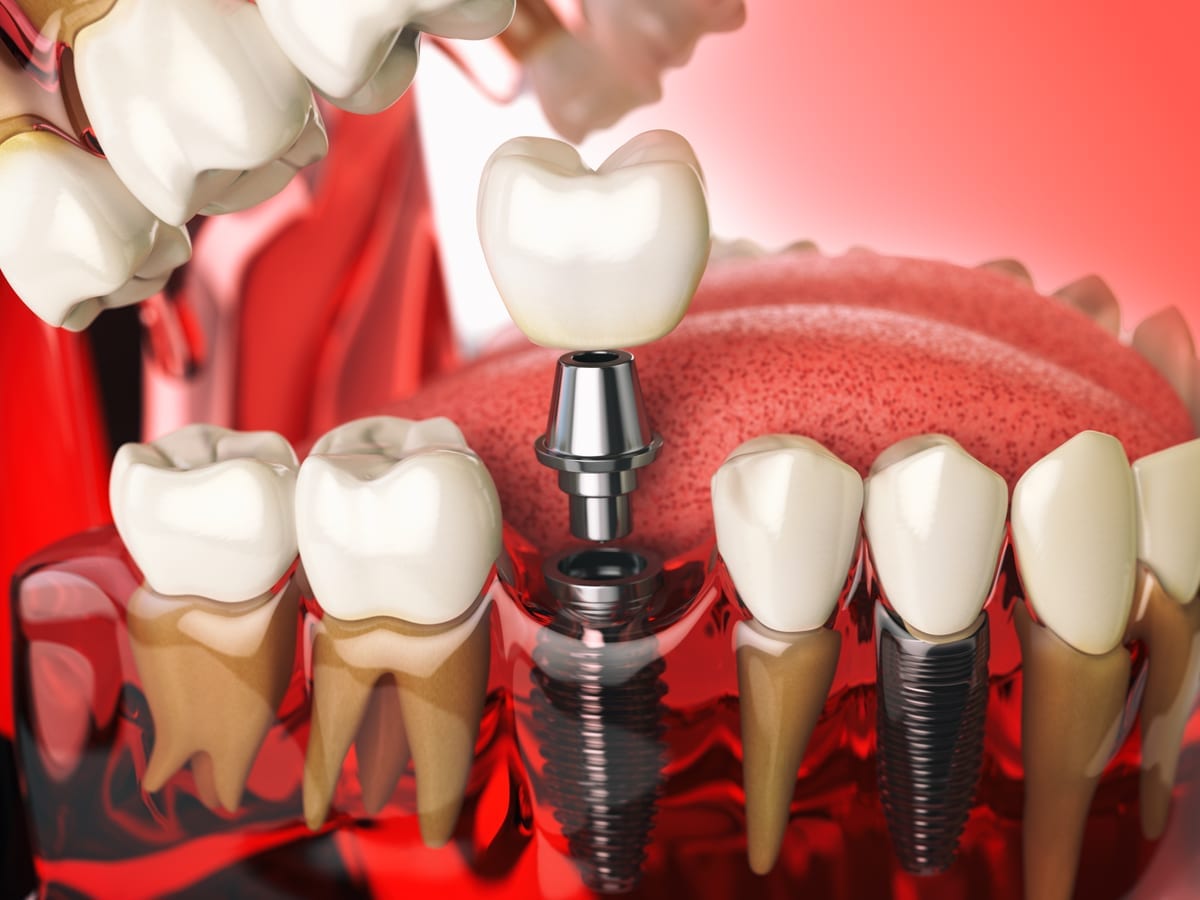
The second and third weeks bring significant improvement for most patients. Swelling subsides and discomfort becomes much more manageable. However, the implant is still bonding with your jawbone during this stage. Full osseointegration — the process of the implant fusing with the bone — can take three to six months.
- Days 1–3: Swelling, soreness, and minor bleeding are expected
- Days 4–7: Discomfort decreases and soft foods remain important
- Weeks 2–3: Swelling resolves and energy returns to normal
- Months 1–3: Osseointegration is actively occurring beneath the surface
- Months 3–6: Final crown or restoration is typically placed
Pain Management Tips After Your Implant Placement in Whitehall
Managing discomfort effectively is a key part of a smooth recovery. Your dental implant recovery in Whitehall will be more comfortable when you follow the right pain management steps. Dr. Monaco will provide specific post-operative instructions tailored to your case. Always follow those instructions closely for the best results.
Over-the-counter pain relievers like ibuprofen or acetaminophen are usually sufficient for most patients. Ibuprofen also helps reduce inflammation, which makes it especially useful in the first few days. Take medications as directed and do not wait for pain to become severe before medicating. Staying ahead of discomfort makes recovery more manageable.
Ice packs applied to the outside of your face can minimize swelling significantly. Apply them in 20-minute intervals during the first 24 to 48 hours. After that window, switch to warm compresses if needed. Elevating your head while sleeping also helps reduce overnight swelling.
Avoid activities that can disrupt the healing site. Do not smoke, use straws, or rinse your mouth vigorously in the early days. These actions can dislodge the blood clot and delay healing. If you experience severe or worsening pain after the first few days, contact Pearl Dentistry of Bethel Park right away through our Emergency Dentistry services.
What to Eat During Dental Implant Recovery
Your diet plays a huge role in how smoothly your recovery goes. The foods you eat directly affect healing at the implant site. Choosing the right textures and nutrients can reduce complications and support tissue repair. Here is what Whitehall patients should know about eating after implant surgery.
For the first week, stick to soft and liquid foods exclusively. Your implant site is sensitive and needs protection from pressure. Hard, crunchy, or sticky foods can cause pain or even damage the surgical area. Prioritizing gentle foods gives your body the space it needs to heal.
- Smoothies and protein shakes (no straw)
- Mashed potatoes and soft sweet potatoes
- Yogurt, applesauce, and pudding
- Scrambled eggs and soft-cooked oatmeal
- Soft fish like tilapia or salmon
- Soups and broths at a lukewarm temperature
Avoid hot beverages, as heat increases blood flow and can worsen swelling. Stay away from alcohol during your recovery period. Alcohol interferes with healing and can interact with medications. As your comfort improves over weeks two and three, you can gradually reintroduce softer solid foods.
By weeks three to four, most patients can eat a wider variety of foods. Continue to avoid very hard items like ice, hard candies, or crusty breads. Protect the implant site on the opposite side of your mouth while chewing. Slowly returning to a full diet is safer than rushing the process.
Long-Term Care for Dental Implants
Once your implant has fully integrated, it functions just like a natural tooth. Caring for it properly ensures it lasts for decades. Long-term implant success depends on consistent oral hygiene and regular professional care. Whitehall patients who stay on top of maintenance enjoy outstanding results.
Brush your implant crown twice daily using a soft-bristled toothbrush. Use non-abrasive toothpaste to protect the surface of the restoration. Floss around the implant daily using implant-specific floss or a water flosser. Good home care prevents peri-implantitis, which is a form of gum disease affecting implants.
Scheduling routine Dental Exams And Teeth Cleaning appointments is critical for long-term implant health. Professional cleanings remove buildup that home care misses. Your dentist can also check the implant’s integrity and surrounding bone at each visit. Catching any issues early prevents larger problems down the road.
Avoid habits that put excessive force on your implant. Do not chew on ice, pens, or fingernails. If you grind your teeth at night, talk to Dr. Monaco about a custom nightguard. Protecting your implant from unnecessary stress extends its lifespan significantly.
When to Call Your Dentist After Implant Surgery
Most recovery symptoms are predictable and manageable at home. However, some signs should prompt you to call your dentist promptly. Knowing the difference helps you avoid complications. Whitehall patients should not hesitate to reach out when something feels wrong.
Contact Pearl Dentistry of Bethel Park if you experience any of the following:
- Severe pain that worsens after the first three days
- Significant swelling that spreads beyond the surgical area
- Persistent bleeding that does not stop with gentle pressure
- Signs of infection such as fever, pus, or a bad taste
- Implant feeling loose or shifting position
These symptoms are not typical and require professional evaluation. The sooner you address them, the better your outcome will be. Dr. Monaco and her team are committed to supporting every patient through their recovery journey.
Dental implants are a life-changing investment in your smile and your health. With the right preparation and care, your recovery can be smooth and manageable. Pearl Dentistry of Bethel Park is proud to serve patients throughout Pittsburgh and Whitehall with compassionate, expert dental care. Book Now to schedule your appointment with our team.
Frequently Asked Questions
How long does dental implant recovery take?
Most patients feel significantly better within one to two weeks after the procedure. However, full osseointegration — the process of the implant fusing with the jawbone — takes three to six months. The final crown is usually placed after this fusion is confirmed. Your dentist will monitor your progress at scheduled follow-up visits.
Is dental implant surgery painful?
The procedure itself is performed under local anesthesia, so you should not feel pain during surgery. Post-operative discomfort is common and typically peaks in the first 24 to 48 hours. Over-the-counter pain relievers and ice packs are usually sufficient for managing this discomfort. Most patients find recovery much more comfortable than they expected.
What foods should I avoid after getting a dental implant?
You should avoid hard, crunchy, sticky, and chewy foods during the initial healing period. Hot beverages and alcohol should also be avoided. These can irritate the surgical site or interfere with healing. Stick to soft foods like yogurt, mashed potatoes, and smoothies for the first one to two weeks.
Can I brush my teeth after dental implant surgery?
You can gently brush your other teeth starting the day after surgery. Avoid brushing directly over the implant site until your dentist clears you to do so. Rinsing with a prescribed antimicrobial rinse may be recommended. Keep the area clean but gentle to support proper healing.
How do I know if my dental implant is healing properly?
Signs of healthy healing include decreasing pain, reducing swelling, and no unusual discharge from the site. The implant should feel stable and not shift or feel loose. Regular follow-up appointments with Dr. Monaco allow her to confirm that osseointegration is progressing as expected. If anything feels off, contact the office promptly for an evaluation.