
What Is Peri-Implantitis and How Does Pearl Dentistry of Bethel Park Help You Avoid It?
Dental implants are one of the most reliable solutions for replacing missing teeth, but they require thorough maintenance. There’s a condition called peri-implantitis that most implant patients have never heard of, yet it’s responsible for a significant number of implant failures every year. The good news is that it’s both detectable and preventable when you know what to look for.
This blog breaks down what peri-implantitis is, why it develops, and what you can do to keep your implants in great shape for the long haul.
What Is Peri-Implantitis?
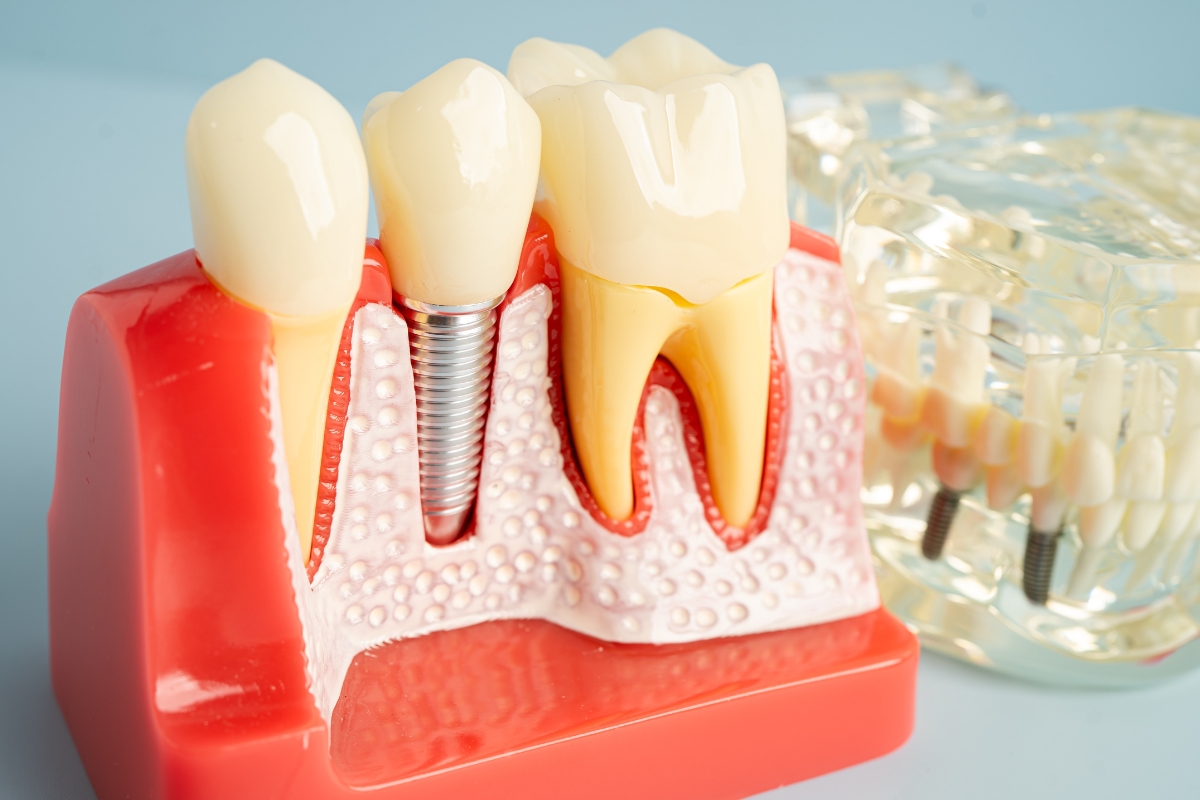
Peri-implantitis is a bacterial infection that affects the tissue and bone surrounding a dental implant. Think of it as gum disease, but specific to the area around an implant. It starts with inflammation of the soft gum tissue (a stage called peri-implant mucositis) and, if left untreated, progresses to bone loss around the implant. Once significant bone loss occurs, the implant loses its structural foundation and may eventually fail.
For anyone considering or already living with dental implants in Pittsburgh, this is worth paying close attention to. The condition doesn’t always cause obvious pain in its early stages, which means many patients don’t realize anything is wrong until it has already progressed.
The numbers are harder to ignore than the symptoms. According to a 2025 systematic review and meta-analysis published in the Journal of Periodontology, roughly one in five implant patients develops peri-implantitis, and nearly half develop some degree of peri-implant mucositis (the early inflammatory stage) over time. That’s not a rare complication. It’s a real risk that every implant patient should understand.
Why Does Peri-Implantitis Develop?
The root cause is bacterial biofilm (the same plaque that causes cavities and gum disease on natural teeth). When plaque accumulates around the base of an implant and isn’t effectively removed, the bacteria trigger an immune response in the surrounding tissue. That immune response causes inflammation, and chronic inflammation leads to bone breakdown.
Several factors can increase your risk of infection:
- A history of periodontal (gum) disease. This is one of the strongest signs of risk. If your gums were vulnerable before implant placement, that susceptibility doesn’t disappear afterward.
- Smoking. Tobacco use slows healing, reduces blood flow to gum tissue, and makes it harder for the body to fight bacterial infection around an implant.
- Diabetes. Research has identified diabetes mellitus as a significant risk indicator for peri-implantitis, alongside smoking and alcohol consumption.
- Poor oral hygiene. Inconsistent brushing and skipping floss allow biofilm to collect and harden at the gumline — exactly where peri-implantitis begins.
- Infrequent professional cleanings. Studies show that patients who don’t follow a regular peri-implant supportive therapy schedule have a notably higher rate of peri-implantitis compared to those who maintain consistent professional care.
- Ill-fitting restorations. Crowns or bridges that don’t fit precisely can trap bacteria and place excess stress on the implant, accelerating bone loss over time.
Recognizing the Warning Signs
Peri-implantitis can attack without notice. It rarely announces itself with the sharp pain a toothache might. More often, it shows up subtly and progresses quietly. Here’s what to watch for:
- Bleeding or oozing around the implant, especially when you brush or floss
- Gum tissue that looks red, puffy, or receded near the implant
- An unpleasant taste or persistent bad breath that doesn’t resolve with normal hygiene
- Visible loosening of the implant crown or the implant itself
- Discomfort when biting down in the area of the implant
Any one of these signs warrants a call to your dentist. Two or more together? Don’t wait to book a visit to your local emergency dentist.
How Peri-Implantitis Is Treated
Treatment depends entirely on how far the condition has progressed. In the early stages of peri-implant mucositis, a thorough professional cleaning around the implant site, combined with improved home care, is often enough to reverse the inflammation before it causes lasting damage.
Once bone loss has begun, the treatment approach needs to be more expansive. Treatment at this stage usually includes debridement (a deep cleaning of the implant surface), antimicrobial rinses or antibiotics, and, in more advanced cases, surgical intervention to remove infected tissue and attempt to regenerate bone around the implant site. The implant may still be saved if enough supporting bone remains, but the window for conservative treatment closes as the condition advances.
This is precisely why catching it early matters so much.
What Pittsburgh Patients Can Do Right Now
Serving the Bethel Park and South Hills communities of Pittsburgh, our office sees patients at every stage — those considering implants for the first time, those who’ve had them for years, and some who come in with early peri-implant inflammation they weren’t even aware of. The pattern we see consistently is that patients who maintain their routine checkups do far better in the long run.
Protecting your implants comes down to a few non-negotiable habits:
- Brush twice a day using a soft-bristle brush, and pay careful attention to where the implant meets the gum
- Floss daily — interdental brushes and water flossers work especially well around implant restorations
- Attend professional cleanings every six months, or more frequently if recommended based on your personal risk profile
- Don’t smoke, and if you currently do, talk to your provider about cessation resources
- Keep medical conditions like diabetes well-managed, since systemic inflammation directly affects implant health
If you received dental implants in Pittsburgh and haven’t had a peri-implant check-up recently, that’s worth scheduling sooner rather than later. Early detection truly changes outcomes.
What Professional Monitoring Includes
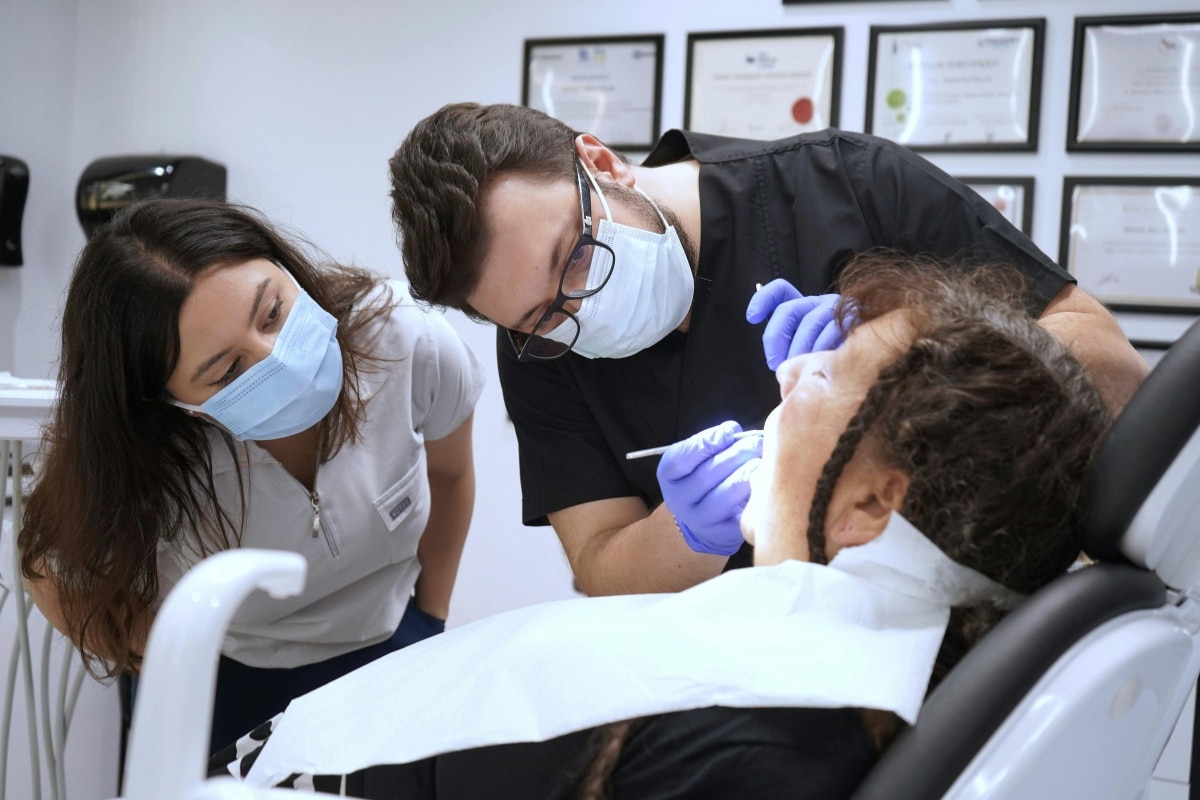
At routine implant maintenance visits, your dentist will probe around the implant to measure any change in pocket depth (the space between the gum and the implant), check for bleeding on probing, and compare current X-rays to baseline images taken at the time of placement. That baseline comparison is one of the most important tools available — even small amounts of bone loss become visible when measured against earlier images.
This process requires consistency and continuity of care, which is why building a long-term relationship with a local dental practice is genuinely beneficial for implant patients. It’s not about popping in once a year. It’s about having a team that knows your baseline, tracks your tissue health over time, and catches any deviation early.
Your implants represent a significant investment in your health and confidence. Peri-implantitis is preventable but only if you’re proactive. If you’re in the Bethel Park or greater Pittsburgh area, call Pearl Dentistry of Bethel Park today to schedule a peri-implant evaluation or routine maintenance visit.
People Also Ask
Can peri-implantitis be completely cured?
Early-stage peri-implant mucositis can often be fully reversed with professional cleaning and improved home care. True peri-implantitis — once bone loss has begun — can be treated and halted, but the lost bone typically doesn’t regenerate fully without surgical intervention. This is why early treatment produces significantly better outcomes than waiting.
How long does it take for peri-implantitis to develop after implant placement?
There’s no fixed timeline. Some cases develop within the first few years following implant placement; others don’t appear until much later. The condition tends to progress more rapidly in patients with a history of gum disease, diabetes, or who smoke. Regular monitoring is the only reliable way to catch it at the earliest stage.
Is peri-implantitis painful?
Not always — especially in the early days. Many patients experience no pain at all in the beginning, which makes the condition easy to overlook without professional monitoring. Discomfort tends to appear as the condition progresses and bone loss increases. Waiting for pain before seeking care often means the condition has already progressed significantly.
Can peri-implantitis affect implants that have been in place for many years?
Yes. Implants that have been functioning without problems for a decade or more can still develop peri-implantitis, particularly if oral hygiene habits have changed, new systemic conditions have developed, or routine monitoring has lapsed. Long-term implant success requires long-term care — not just placement and follow-up in year one.
Does the type of crown or restoration on an implant affect the risk of peri-implantitis?
It can. Research has shown that cement-retained restorations carry a higher peri-implantitis risk than screw-retained ones, largely because excess cement left below the gumline during placement can act as an irritant that promotes bacterial growth. This is a clinical consideration your dentist evaluates during treatment planning.