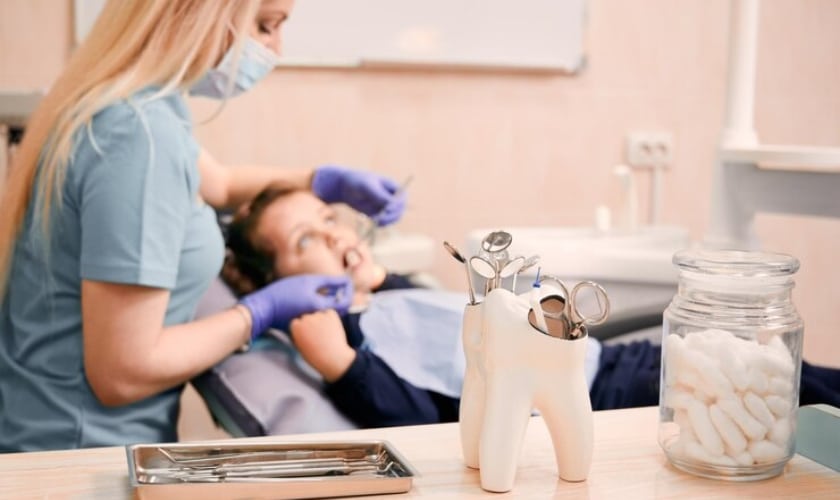


Can Probiotics for Kids Prevent Cavities and Gum Disease?
Daily oral care for your children often feels like a constant battle between sugar-laden snacks and the toothbrush. While you likely know the drill of twice-daily brushing and flossing, researchers are looking deeper into the microscopic world inside your child’s mouth. This environment, known as the oral microbiome, is home to billions of bacteria. The balance between these “good” and “bad” microbes determines how likely your child is to develop a cavity or experience puffy, inflamed gums.
Integrating probiotics into a wellness routine has become a common practice for digestive health, yet their role in dental care remains a relatively new area of study. The logic is straightforward: by introducing beneficial bacteria into the mouth, we might be able to crowd out the harmful strains that produce acid and erode enamel. This proactive approach focuses on the root cause of decay rather than just treating the damage after it occurs. Staying informed about these biological developments is a powerful way to support a lifetime of healthy smiles.
How Beneficial Bacteria Protect Developing Teeth
Cavities don’t just happen overnight; they are the result of a process where acid-producing bacteria, like Streptococcus mutans, thrive on the sugars left behind from meals. These bacteria create a sticky biofilm known as plaque. When the oral environment becomes too acidic, the enamel begins to demineralize. Probiotics work by releasing substances that neutralize these acids and prevent harmful bacteria from sticking to the teeth. It is essentially an internal defense system that operates around the clock to maintain a neutral pH.
Choosing a children’s dentist in Pittsburgh who stays up to date with these preventive strategies ensures your child receives a comprehensive care plan. Many families in Pittsburgh are curious about whether these supplements can replace traditional methods. While probiotics are a supportive tool, they work best alongside professional cleaning and consistent home habits. By visiting a children’s dentist, you can determine if your child’s oral bacterial balance would benefit from an added probiotic boost.
Beyond cavity prevention, these “good” bacteria help maintain gum health. Pediatric gum disease, though less common than in adults, usually manifests as gingivitis—red, swollen gums that bleed during flossing. Probiotics help reduce the inflammatory response in gum tissue. They produce antimicrobial peptides that target the pathogens responsible for inflammation. This keeps the supporting structures of your child’s teeth strong and resilient as they grow.
What Parents Should Actually Look For
This is where things get practical. You can walk into almost any grocery store in Pittsburgh and find probiotic supplements marketed to kids — gummies, powders, chewable tablets, and even probiotic-enriched yogurts. But not all of them are formulated with the strains that oral health research focuses on.
A few things to keep in mind as a parent:
- Strain specificity matters. Look for products that list specific strains like Lactobacillus reuteri (DSM 17938 or ATCC PTA 5289) or Streptococcus salivarius M18 – these have been studied directly for oral health applications.
- Most gut probiotics aren’t oral probiotics. A product designed to support digestive health may contain strains that do very little for the mouth. Oral probiotics are ideally dissolved in the mouth — lozenges, chewables, or yogurts — rather than swallowed in capsule form.
- Consistency is key. Short-term use shows modest results. Studies reporting greater reductions in cariogenic bacteria tend to involve weeks or months of consistent use.
- The FDA does not approve dietary supplements or functional food ingredients for safety and efficacy prior to sale, which means the responsibility of evaluating what you’re giving your child largely falls on you. When in doubt, ask your child’s dentist before starting any new supplement.
Local Care and Practical Prevention
Living in a community like Pittsburgh means having access to a variety of seasonal treats, from summer ice cream at local shops to holiday sweets. These moments are part of childhood, but they do increase the sugar load on your child’s teeth. Probiotics offer an extra layer of “buffer” against these occasional indulgences. By strengthening the mouth’s natural defenses, you make the oral environment less hospitable to the bacteria that thrive on those sugars. It is a modern way to balance a fun lifestyle with serious health goals.
The effectiveness of any supplement also depends on the mouth’s overall health. If there is already significant tartar buildup, the “good” bacteria will have a harder time finding a place to live. This is why professional checkups at Pearl Dentistry of Bethel Park are the cornerstone of any prevention plan. Removing the hard deposits allows the probiotics to work on a clean slate. A personalized approach ensures that we aren’t just guessing, but instead creating a roadmap that fits your child’s unique needs and history.
Empowering your child with a healthy mouth goes beyond the basics of hygiene. It involves understanding the biological balance that keeps decay at bay. By exploring modern options like oral probiotics and maintaining a consistent schedule of professional care, you are setting the stage for a lifetime of confidence. Your child’s smile is a reflection of their overall health, and a little extra preventive care today can help prevent major issues in the years to come.
Contact us today to schedule a checkup and see how we can keep your family’s smiles bright and healthy!
People also ask
Are oral probiotics safe for toddlers?
Generally, oral probiotics are considered safe for young children, but the delivery method matters. For toddlers, chewable tablets or lozenges can be a choking hazard. In those cases, powder forms that can be brushed onto the teeth or mixed with a small amount of water are often a safer choice. Always consult with your dental provider before starting a new supplement.
Can my child get enough probiotics from yogurt?
While yogurt is a healthy snack, most commercial brands contain strains meant for gut health, and many are high in sugar. To get the specific dental benefits of strains like S. salivarius, a targeted oral probiotic supplement is usually much more effective and contains a higher concentration of the bacteria that actually live in the mouth.
How long does it take to see results from oral probiotics?
Biological changes take time. Most studies show that it takes about four to eight weeks of consistent use to see a measurable shift in the oral microbiome. You might notice improvements in breath quality first, followed by a reduction in plaque buildup and gum sensitivity during your next professional exam.
Do probiotics have any side effects for kids?
Side effects are rare and usually mild, sometimes including a temporary change in taste or minor stomach upset as the body adjusts. Because these are naturally occurring bacteria, most children tolerate them very well. However, if your child has a compromised immune system, it is vital to speak with a doctor first.
Will probiotics fix an existing cavity?
No, probiotics cannot heal a hole that has already formed in the enamel. Once a cavity exists, it requires a professional filling or restoration. Probiotics are strictly a preventive measure designed to prevent new decay and keep existing gum tissue healthy.