

Can Patients with Autoimmune Diseases Safely Get Dental Implants?
More and more patients are choosing dental implants to restore missing teeth. They are a permanent choice, functioning like and looking like real teeth. Patients with autoimmune diseases may find they have more factors to consider before undergoing endosseous implant treatment. The main concerns may be whether it is safe to undergo surgery and recover from dental work.
If you are also thinking, “Will patients with autoimmune diseases be able to have dental implants?”, don’t worry, you are not the only one. This blog will discuss factors to consider for patients with autoimmune diseases who are seeking endosseous implants. Learn how autoimmune diseases affect healing and how to protect your implants.
What Are Dental Implants And How Do They Work?
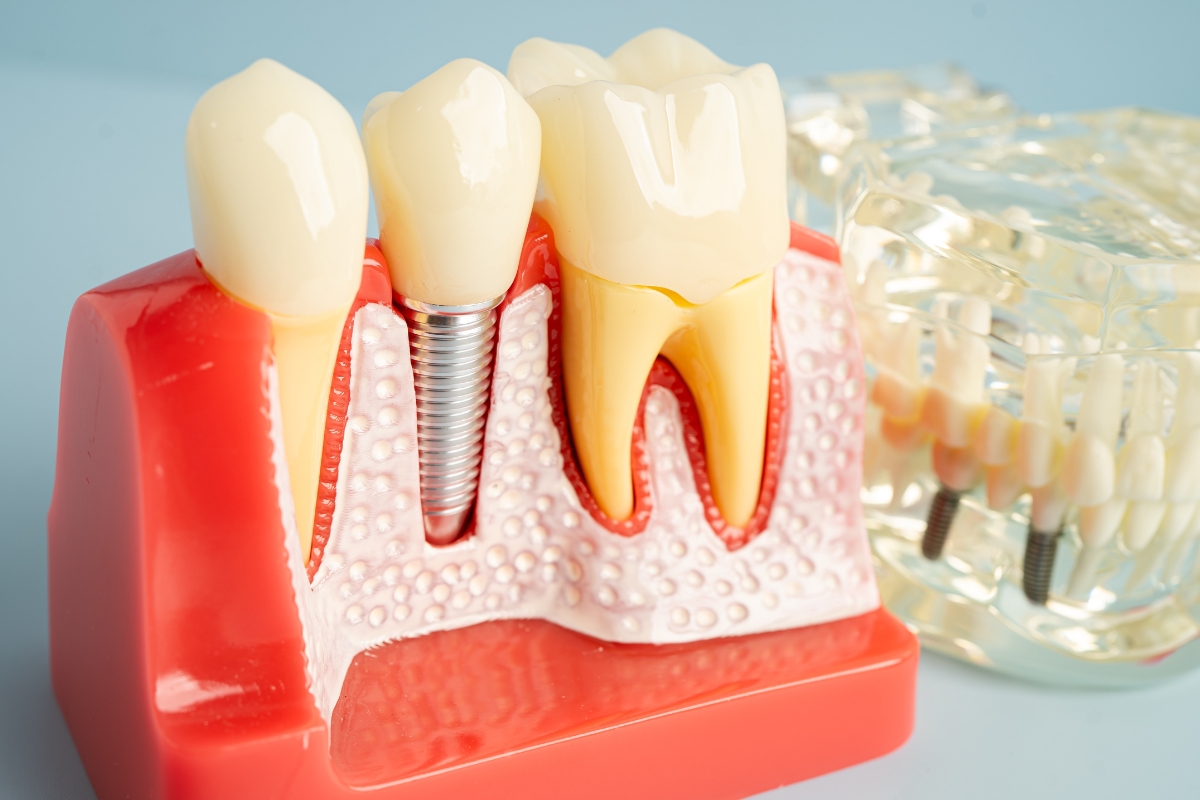
Dental implants are artificially created roots for teeth and are implanted into the jawbone where a tooth has been lost. After being integrated into the jawbone, a crown, bridge, or denture can be attached to restore the teeth’s function and appearance.
A more permanent solution to dentures and bridges, dental implants function like your own teeth and also look and feel like them. Patients with an autoimmune disease may think, ‘Will the body’s immune system affect the healing of my implants?’ It depends on the type of disease, the treatments the patient is receiving, and the oral and systemic tissue conditions.
The Impact of Autoimmune Diseases on Healing
Autoimmune diseases can affect how our bodies heal after procedures, including endosseous implant placement surgery. Due to their autoimmune nature, in which the body attacks itself, the healing process is often impaired or complicated.
It is important that patients undergoing implant treatment understand the impacts the body experiences during its recovery.
- Slower Healing: Conditions like rheumatoid arthritis, lupus, and Crohn’s disease have been shown to have an impact on a slower healing response time. For endosseous implant treatment, this may contribute to implant failure due to slow integration with the jawbone.
- Increased Susceptibility To Infection: Certain autoimmune diseases may have an effect that can weaken the immune system, therefore leaving the patient vulnerable to infections. For patients undergoing dental implant surgery, this could lead to a difficult recovery and an increased chance of complications.
- Medication Affects: In addition, medication taken for conditions such as autoimmune disease suppresses the immune system even further. This also leaves the patient at risk of infection, which again can have a bearing on the success of implant treatment.
- Weakened Bone Structure: For certain conditions, such as rheumatoid arthritis and lupus, there may be underlying damage to bone density, a key component of the success of endosseous implant treatment. Patients suffering from these conditions can often find their bones to be more susceptible to fracture.
What Are the Risks of Dental Implants for Autoimmune Patients?
Although safe and successful, patients with autoimmune disease are candidates for several risks with implants. The risk level varies on a disease-by-disease and patient-to-patient basis. It’s essential for both the patient and the dentist to recognize and plan for potential risks.
- Greater Risk of Infection: Autoimmune diseases are often associated with a weakened immune system. This will cause patients to heal more slowly, increasing the risk of implant failure.
- Poor Bone Health: Diseases such as Lupus affect bones and connective tissue, potentially compromising implant stability. A weak, diseased bone cannot support successful integration with the implant.
- Joint Inflammation and Bone Structure: Diseases such as rheumatoid arthritis can affect the jaw bones. The chronic inflammation associated with this disease will weaken the jawbone and make successful implant placement more difficult over time.
- Delayed Healing: Patients with an autoimmune-related condition often heal much more slowly. This can cause long-term effects on oral health and implant integration.
If the patient is aware of the potential risks associated with dental implants, they should consult a dentist as soon as possible. Together with their dentists, they can determine whether they are suitable and well-prepared candidates for this treatment.
Are Dental Implants Safe For Autoimmune Disease Patients?
Yes, patients with autoimmune diseases can typically have dental implant surgery, but they need to be carefully planned. The implant dentist will coordinate with other healthcare providers to assess potential risks and complications and work with the patient and their physician to minimize the likelihood of complications.
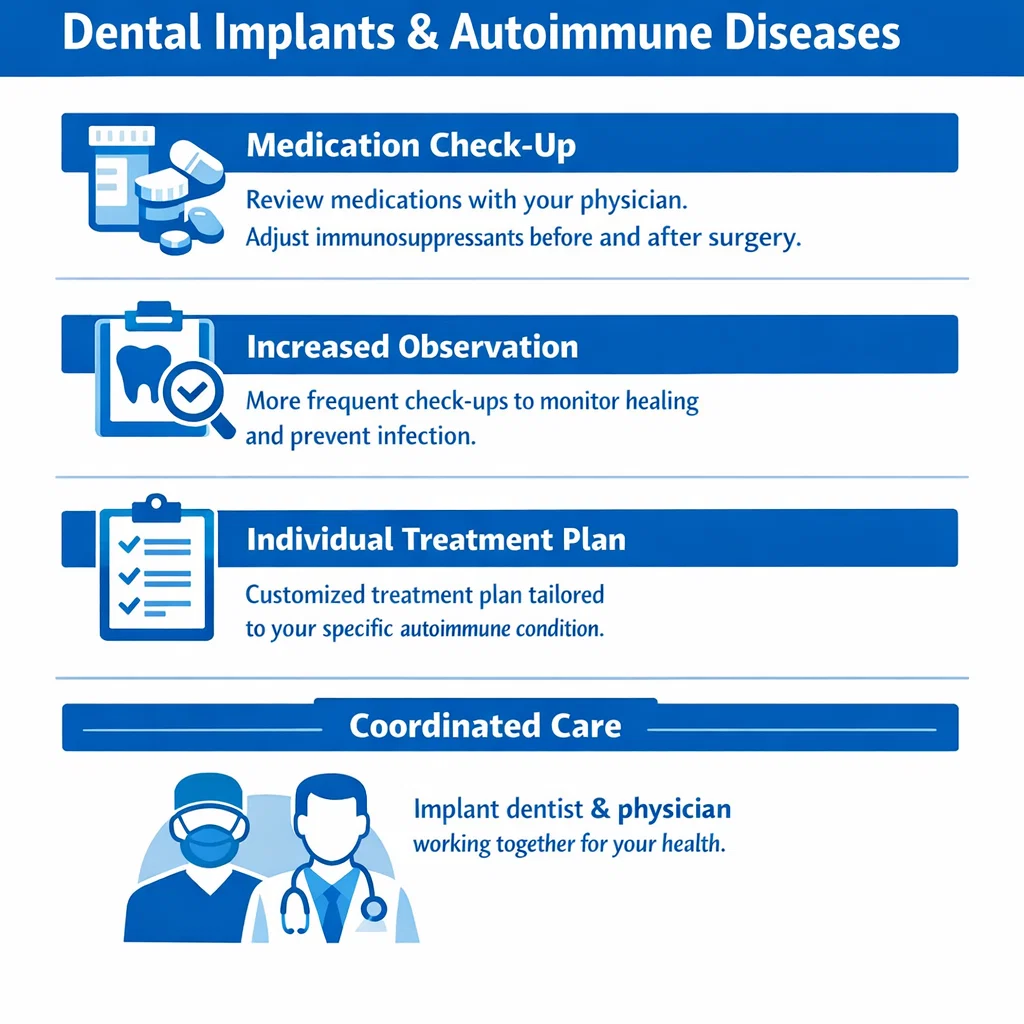
Here are some of the many precautions that are normally taken into consideration before any implant dentist begins treatment:
- Medication Check-Up: Patients with autoimmune diseases should review their medications with their physician before receiving implant treatment. Patients using immunosuppressants, for example, will have to adjust their medication before and after surgery to reduce the risk of infection.
- Increased Observation: Patients with autoimmune diseases may require more frequent checkups than others during the healing stage, so the dentist can monitor the healing process and ensure no infections occur.
- Individual Treatment Plan: Not all autoimmune diseases affect patients in the same way, so an individualized treatment plan is often designed to minimize complications.
The Importance of Choosing the Right Implant Dentist
A knowledgeable implant dentist will be able to accurately diagnose whether your specific medical condition will affect your procedure and can therefore inform you of the treatment that will best suit you. It will also ensure a smoother, successful implant procedure.
Lastly, an implant dentist who follows strict hygiene protocols should always be a primary consideration, given that patients with autoimmune disease are extremely sensitive to infection. It is also often helpful if the implant dentist is locally run, so it can build a trusted relationship with the patient and provide you with the maximum physical and mental comfort necessary throughout the treatment process.
Are Dental Implants Safe For Patients With An Autoimmune Disease?
There is no doubt that there are some risks when undergoing endosseous implants for patients with autoimmune diseases, but they can usually undergo the procedure safely. It will simply require careful collaboration between your medical provider and an implant specialist to develop an individualized treatment plan.
If you reside in the Pittsburgh area, have an autoimmune disease, and would like to discuss receiving a dental implant, consult a dentist or implant specialist. If you or someone you know has an autoimmune disease and is a potential candidate for an implant, look no further than Pearl Dentistry of Bethel Park. Call our office today and make an appointment to discuss dental implants in more detail.
Questions People Ask About Dental Implants
1. Can dental implants cause complications for people with autoimmune diseases?
Dental implants may cause complications for patients with autoimmune conditions, particularly related to healing or infection. However, with the proper care and adjustments, dental implants can still be a successful option for many.
2. Will medications for autoimmune diseases affect dental implant surgery?
Certain medications, such as immunosuppressants, may affect the body’s ability to heal properly. It’s important to consult with both your medical provider and dentist before undergoing dental implant surgery.
3. Are there any risks of infection for autoimmune patients with dental implants?
Autoimmune patients may be at higher risk of infection due to compromised immune systems. Close monitoring and adjusting medications can help reduce the risk during the recovery period.
4. How long does it take for dental implants to heal in autoimmune patients?
Healing times can vary for autoimmune patients depending on their condition and treatment. Generally, it takes 3-6 months for the implant to fully integrate with the bone, but some patients may experience delays.
5. Can I get dental implants if I have rheumatoid arthritis?
Yes, many patients with rheumatoid arthritis successfully receive dental implants. However, careful planning and consideration of any joint or bone issues are essential to ensure the procedure’s success.
6. What factors should be considered before getting dental implants with an autoimmune disease?
Factors to consider include your medication regimen, the severity of your autoimmune condition, and your dentist’s experience with autoimmune patients. Collaboration between your medical and dental teams is crucial for a successful outcome.